THE LAB
The Fabricated Landscapes Lab is the creative design practice of landscape designer, educator, and artist Tameka Baba. Operating at the intersection of landscape architecture, textile arts, and material research, the Lab investigates how acts of making can inform new approaches to fabricating public space.
Drawing from traditional textile techniques The Lab explores craft as both a method of representation and a mode of construction. These processes become tools for testing ideas, revealing patterns, and imagining new possibilities for landscapes that have been overlooked, underused, or left behind.
The Lab operates under a framework of four key acts:
material study + exploration
reimaging site narratives
paticipatory design
site design + product fabrication
to move or control with the hands or by mechanical means especially in a skillful manner.
-Merriam-Webster Dictionary
Manipulate
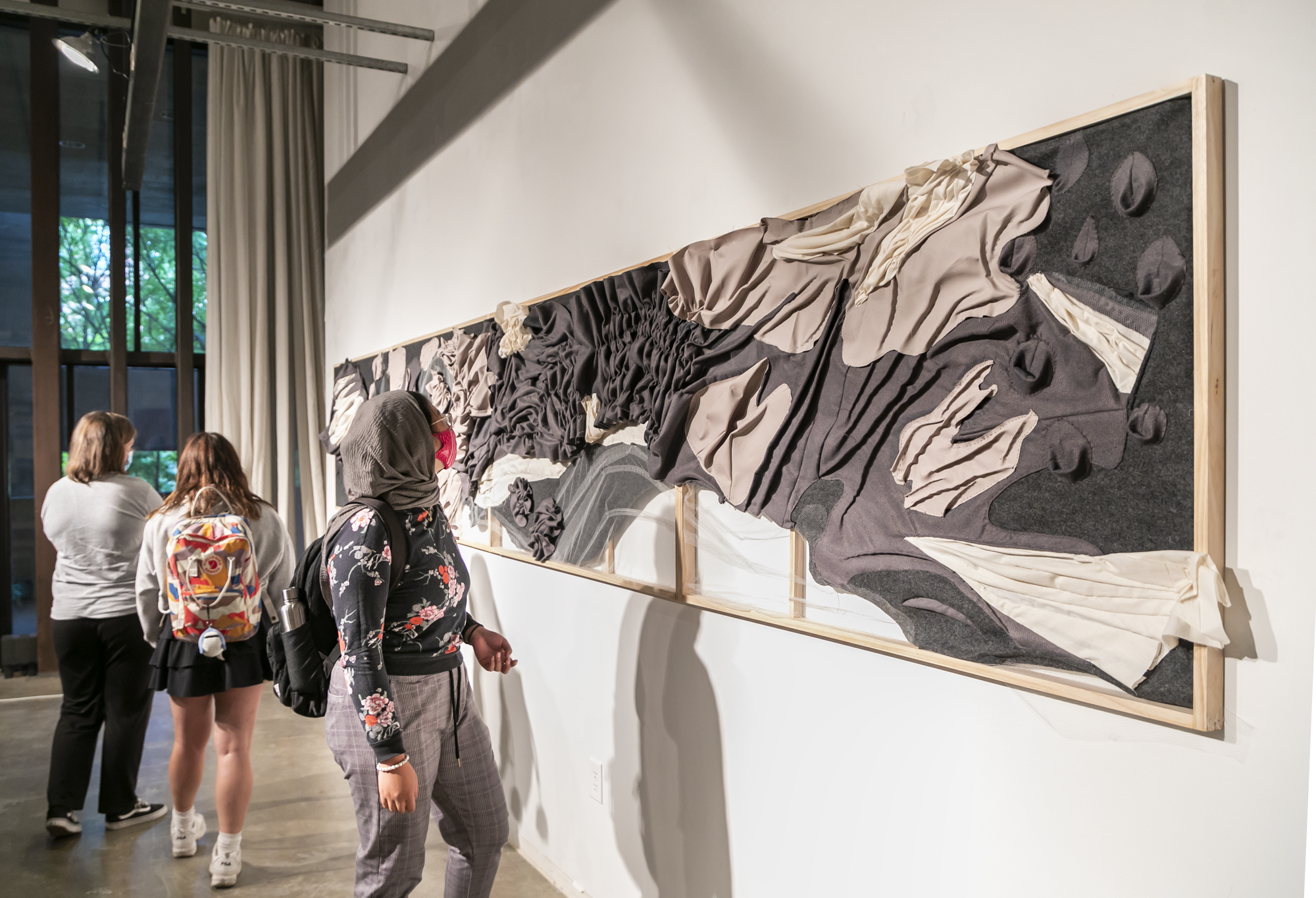
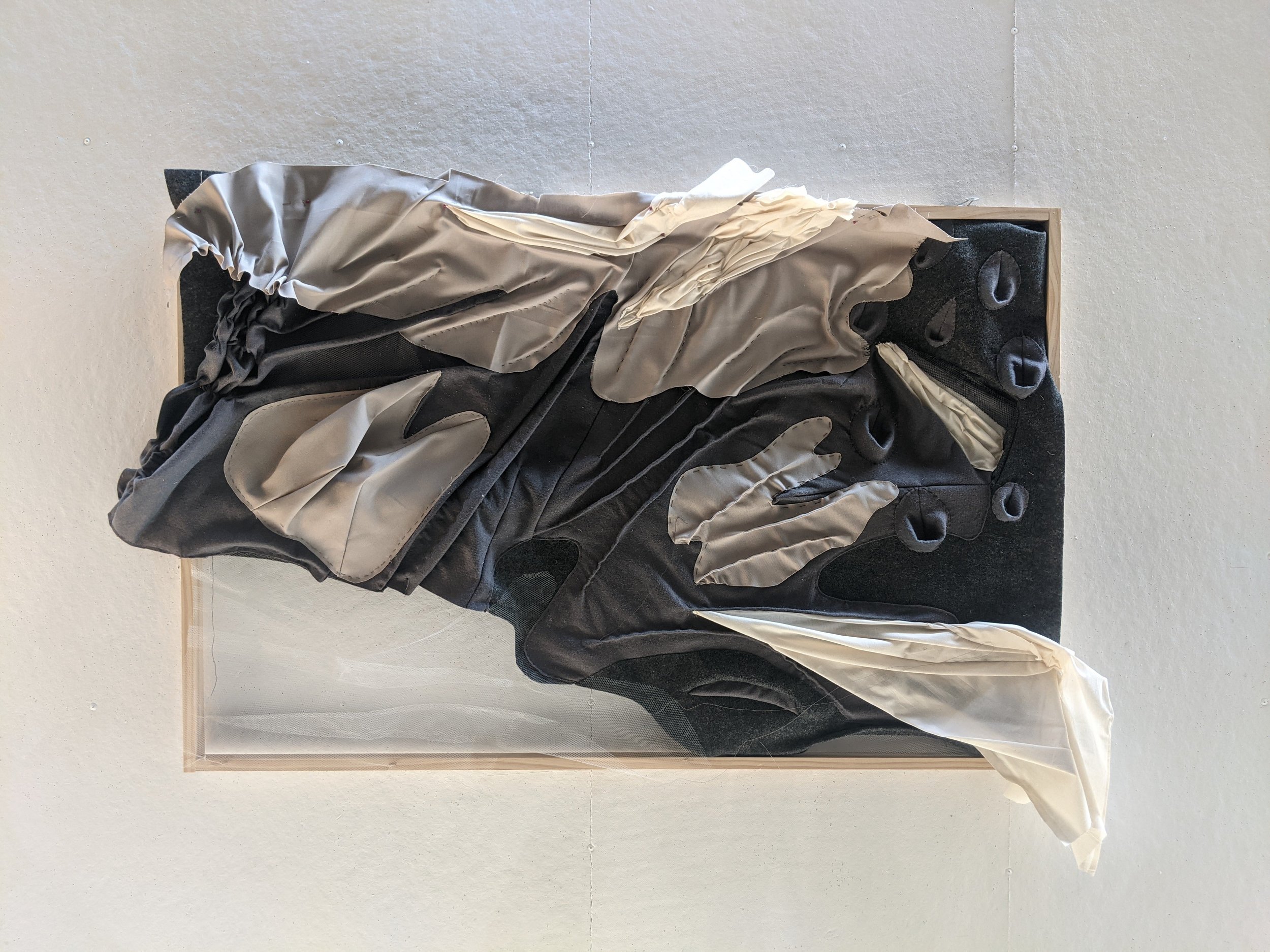
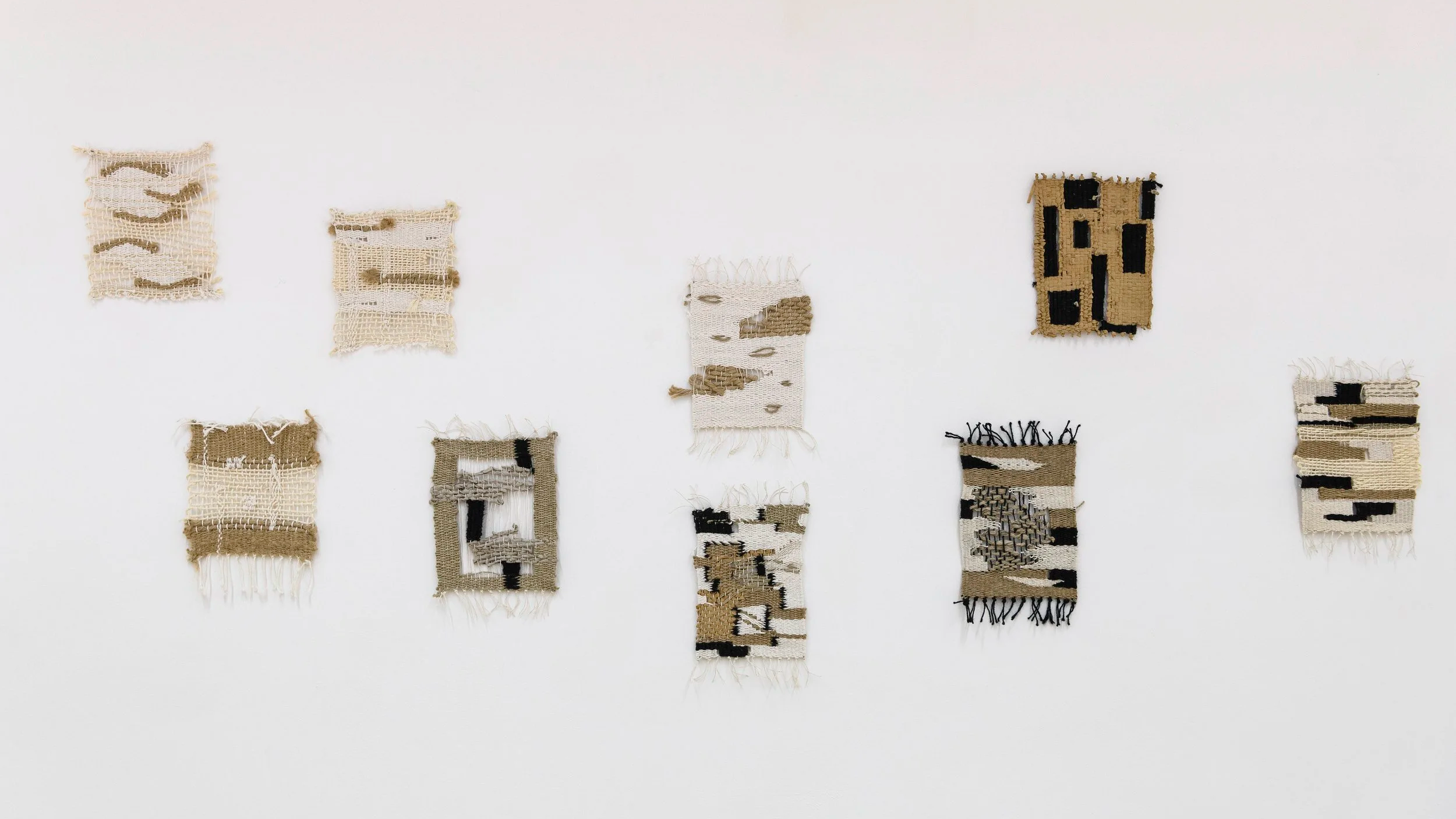
Manipulation is the transformative act through which material becomes design. Within the Lab, textile art functions as a medium for landscape inquiry, where weaving, knotting, stitching, and folding become techniques for generating spatial form. Through these acts of making, fibers are translated into surface, structure, and topography. Beyond shaping physical forms, the act of manipulating fibers and textiles produces a rich vocabulary of textures, patterns, and colors that contributes to the character, identity, and sensory experience of a place.
-
![]()
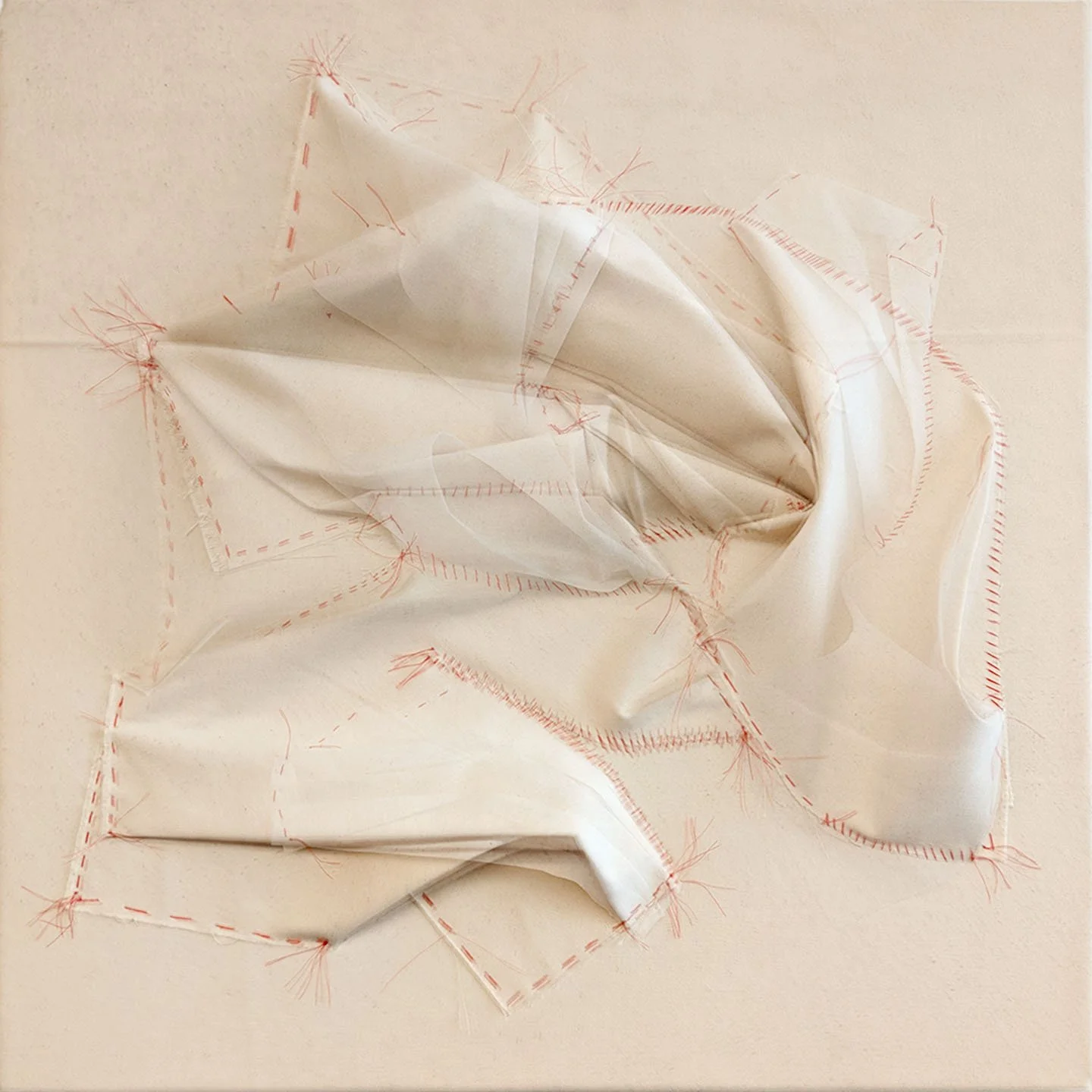
Felt This - Polytych - 2021
-
![]()
Felt This - Polytych - 2021
-
![]()
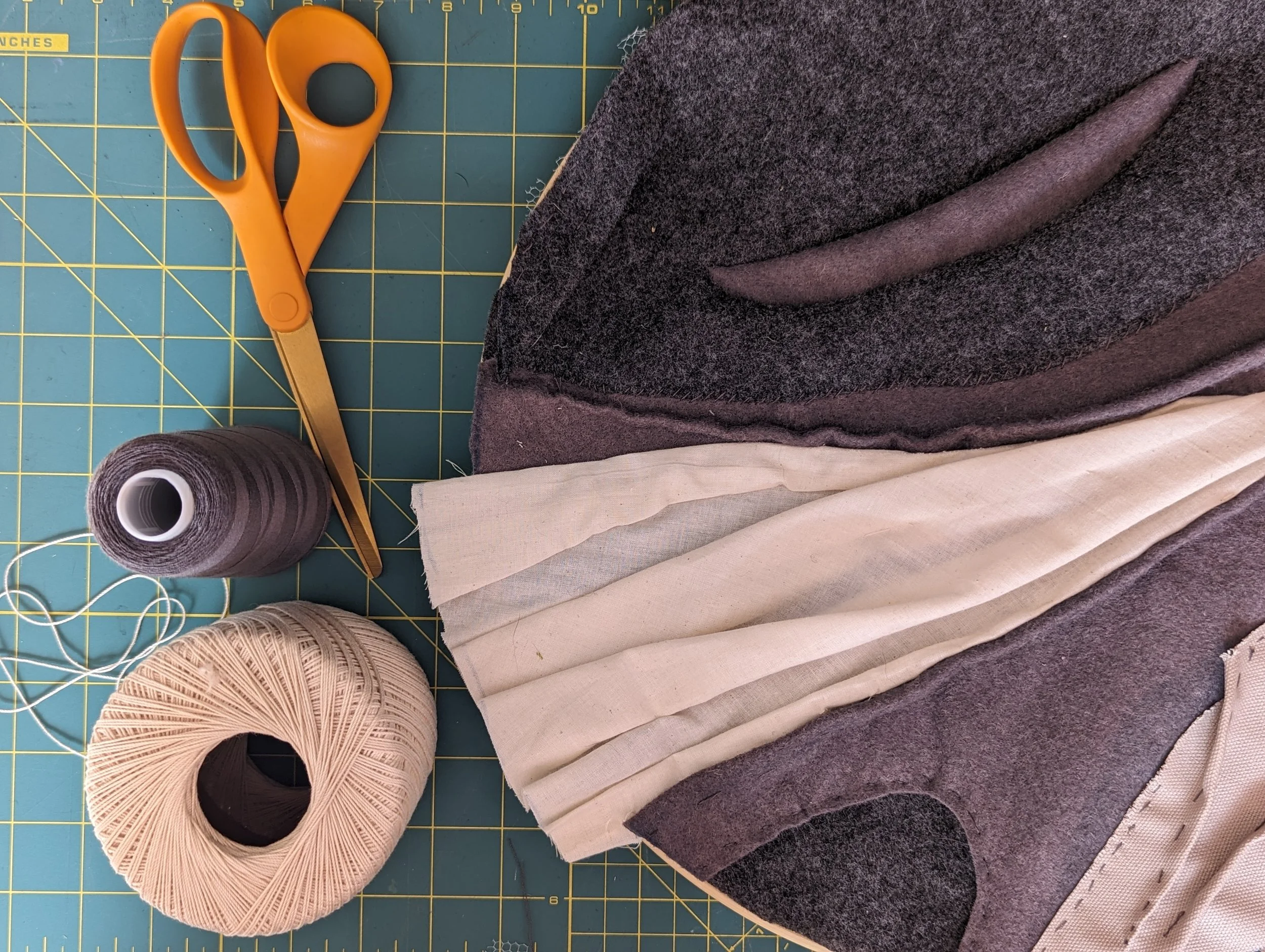
Felt This - Embroidery Sample - 2024
-
![]()
Composition Study 01 - 2018
-
![]()
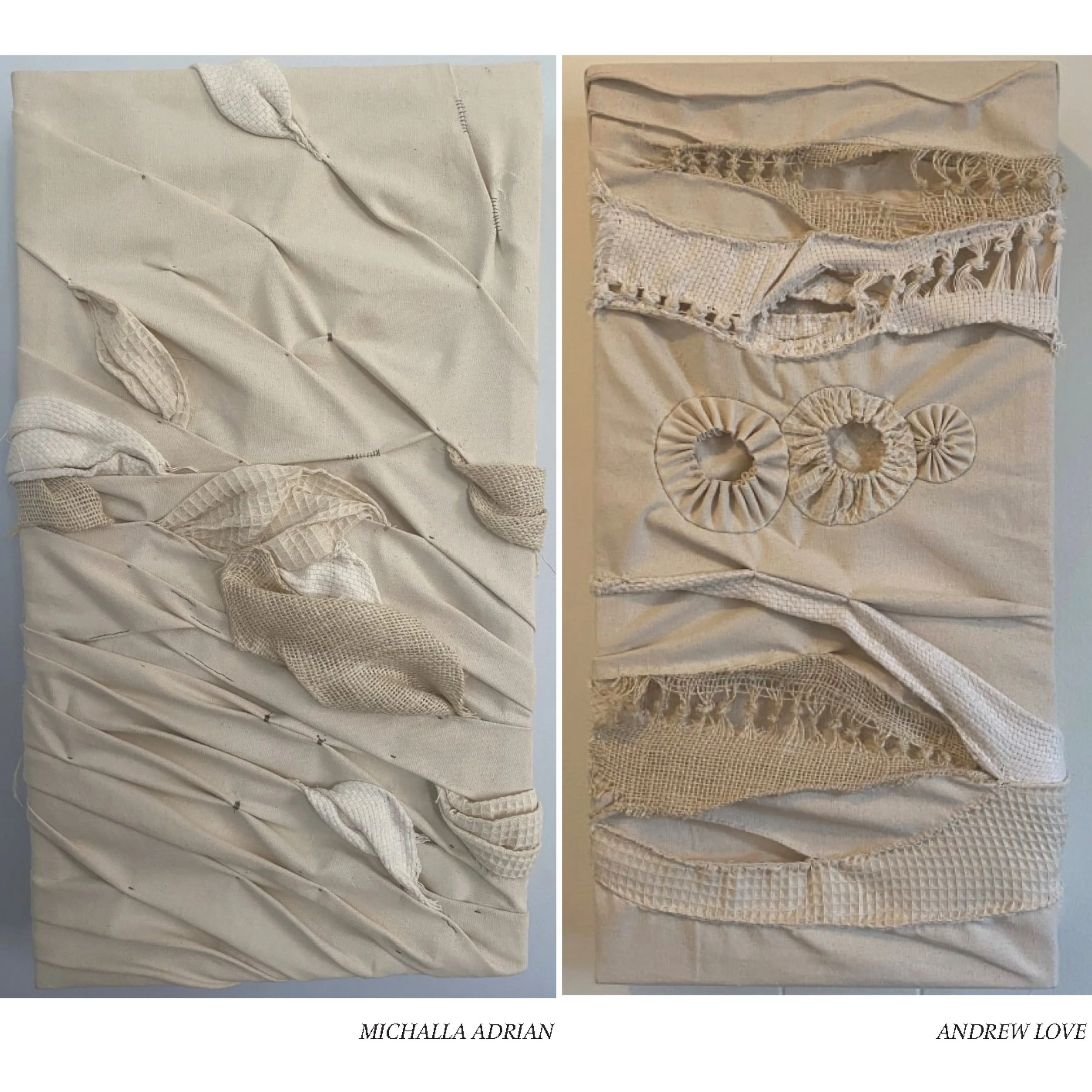
Fabric Sculpt - Student Work - 2019
-
![De-Compo-sure - Studio - Student work - 2023]()
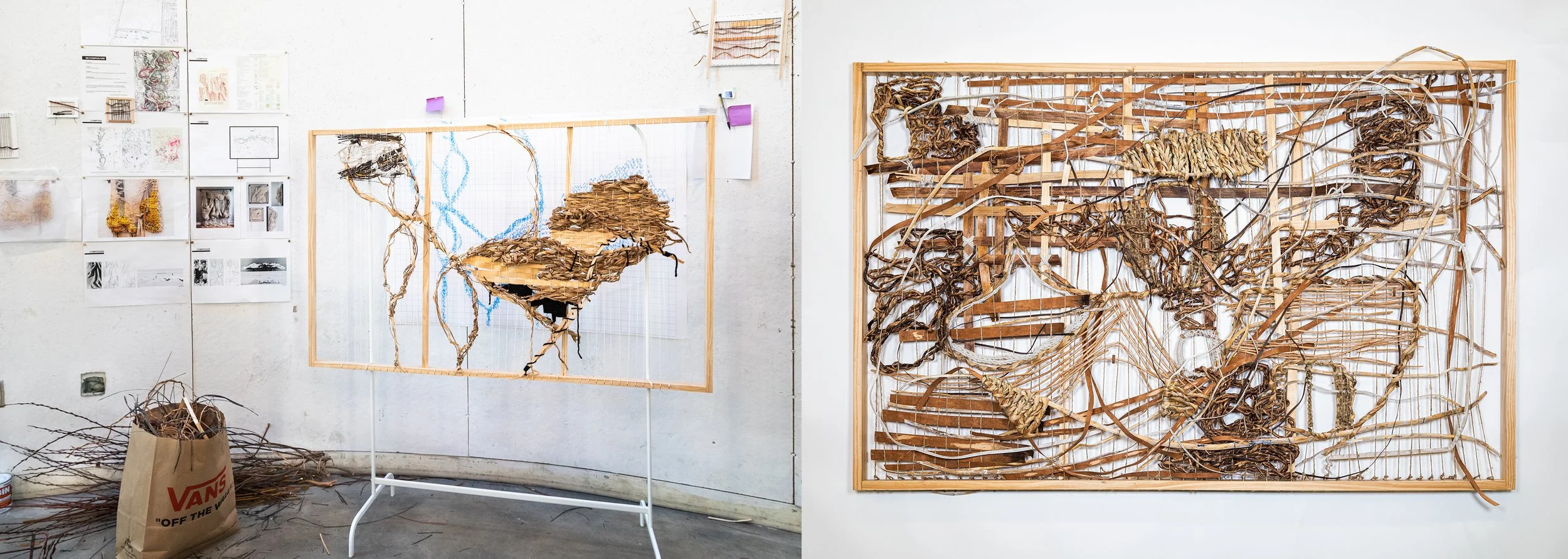
De-Compo-sure - Studio - Student work - 2023
-
![]()
Weaving Studies - 2025
to meditate on or ponder a subject
-Merriam-Webster Dictionary
Speculate
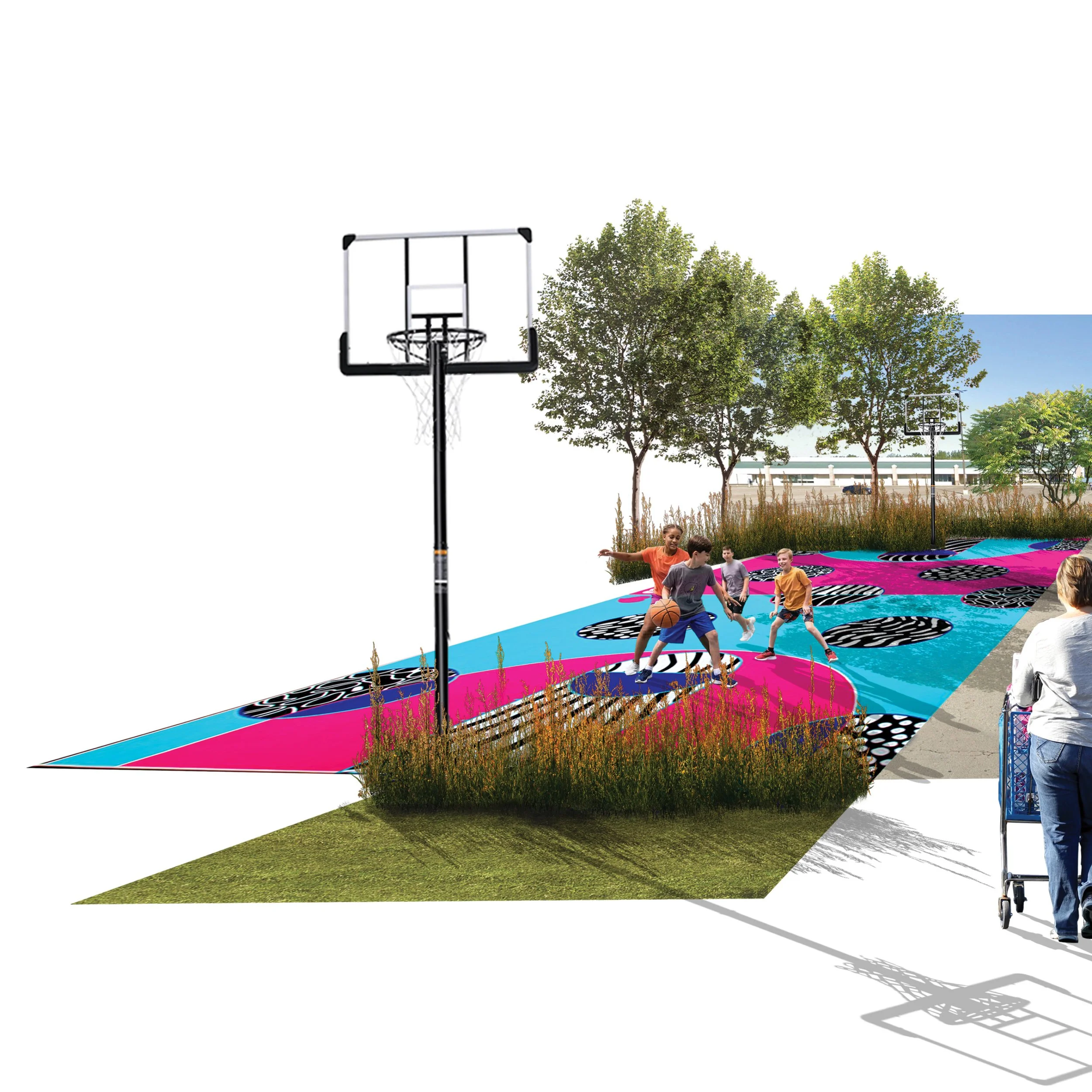
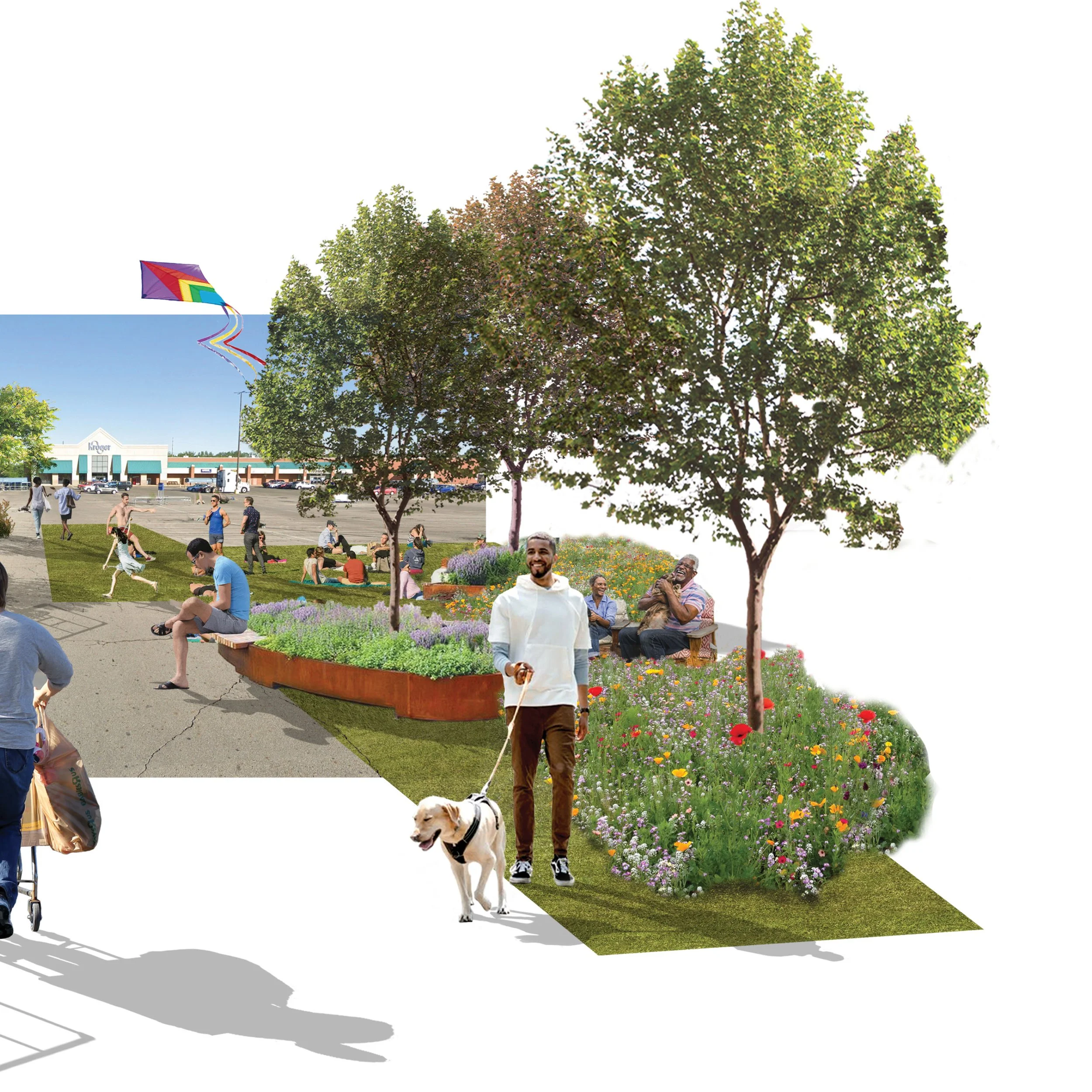
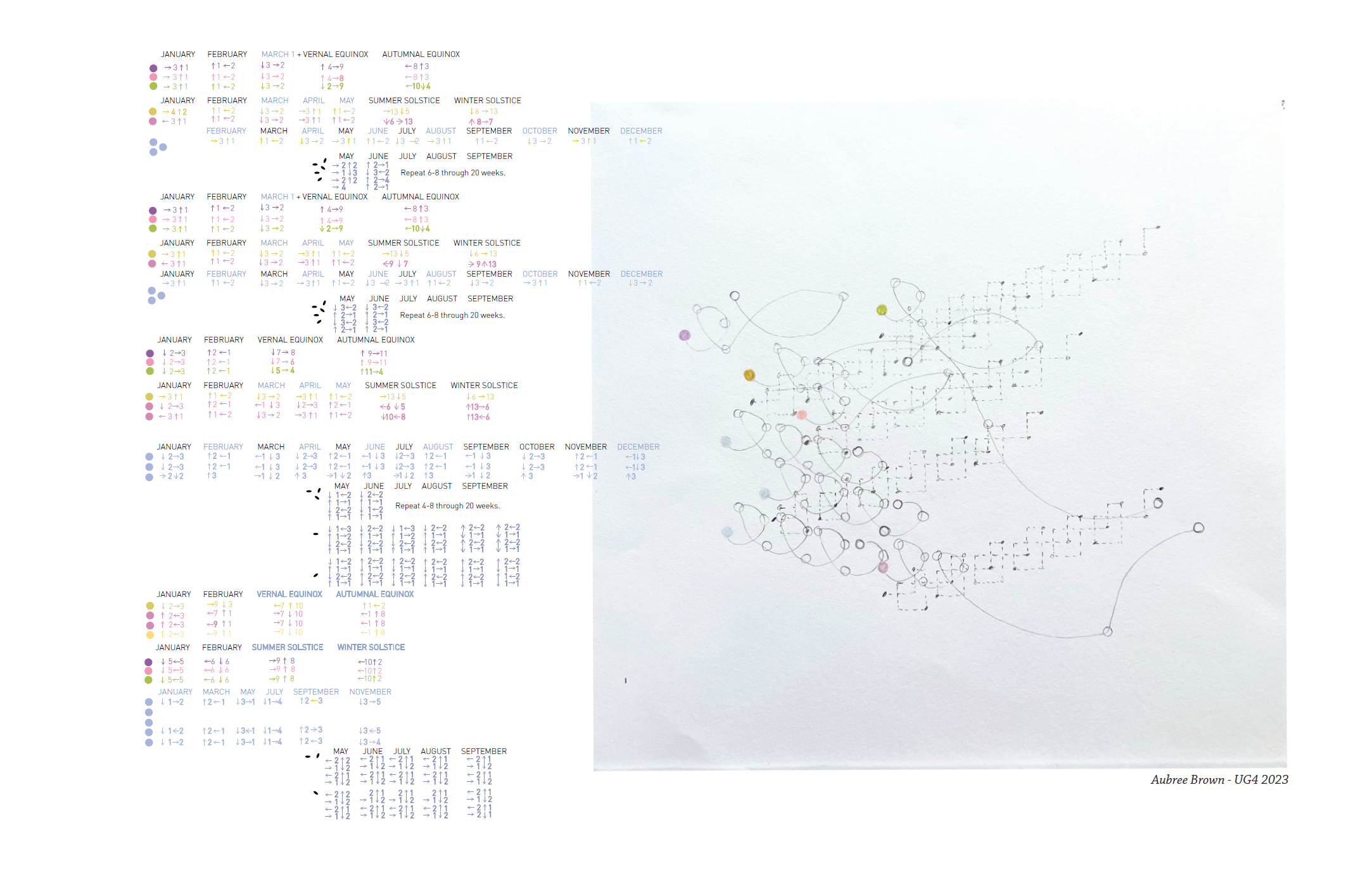
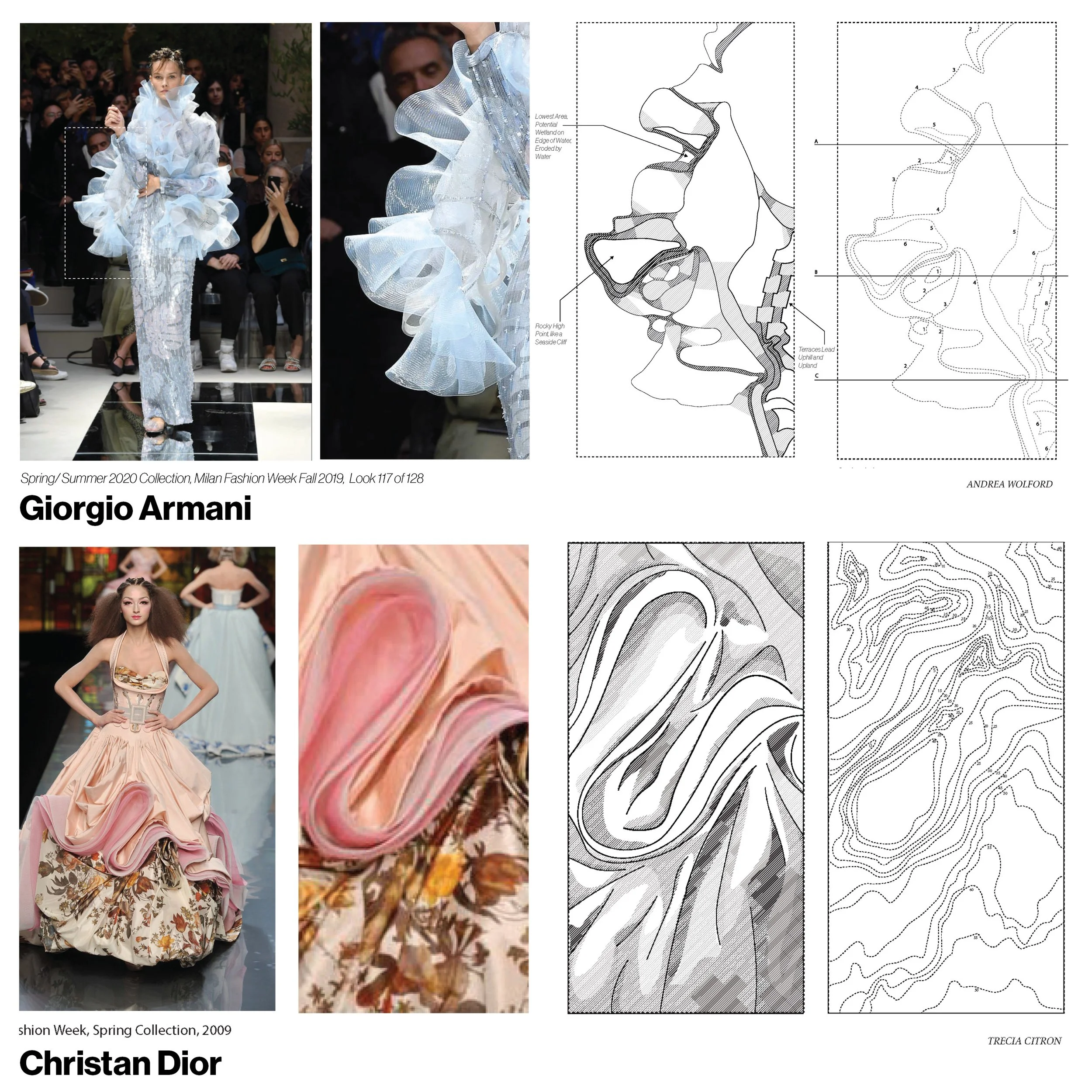
The language of landscape and urban design is deeply intertwined with the vocabulary of textile arts — speaking of urban fabric, weaving networks, stitching communities, mending places, and creating blankets of vegetation. These shared metaphors reveal more than linguistic coincidence; they suggest a common way of understanding how environments are assembled, connected, and cared for. Drawing on this relationship, textile art becomes both a conceptual framework and a material methodology for approaching landscape design. It shapes the narrative of a site while informing its spatial organization, patterns of occupation, and the sensory experience of place.
-
![]()
Rethinking the Parking Lot - 2024
-
![]()
-
![]()
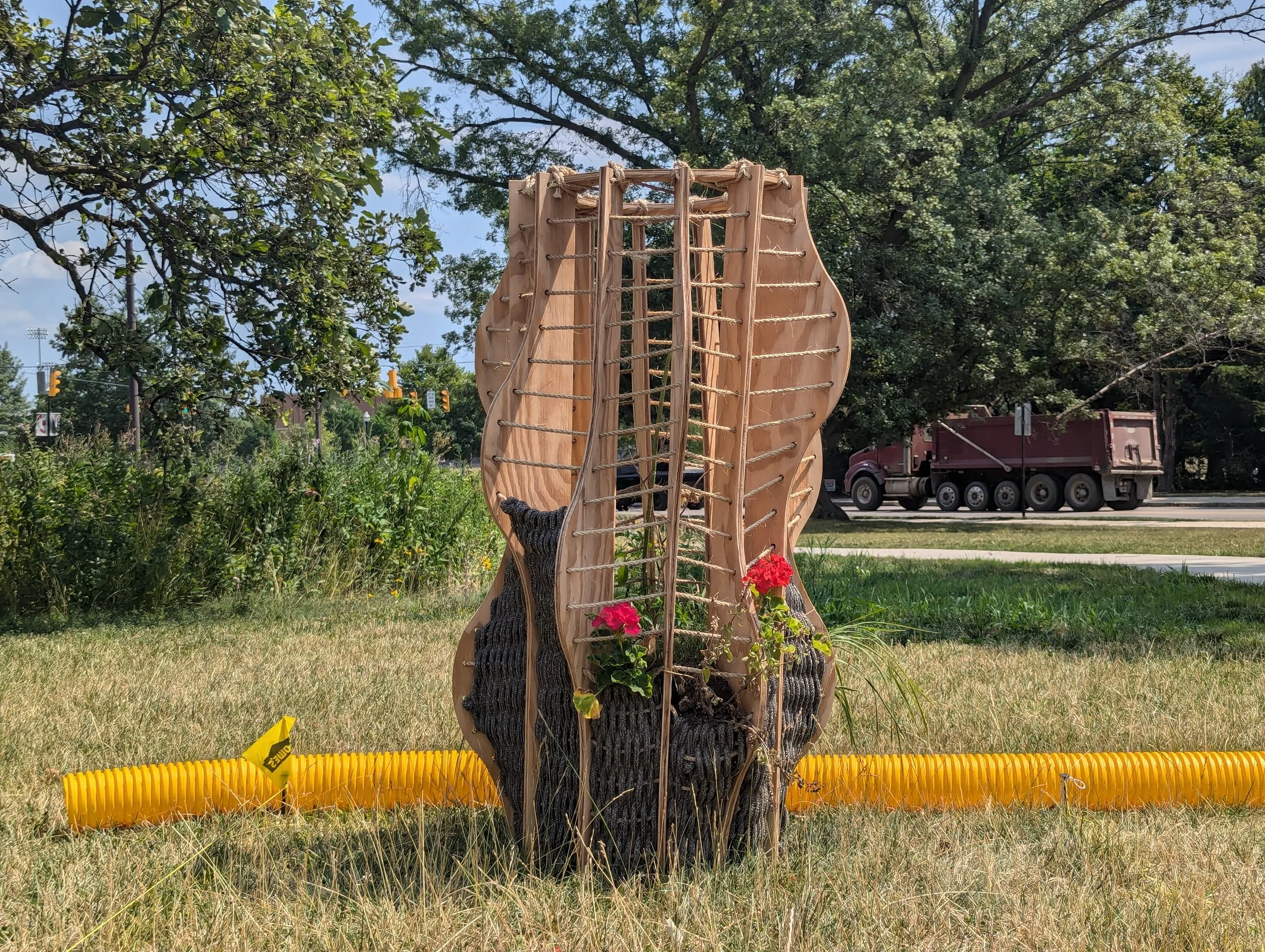
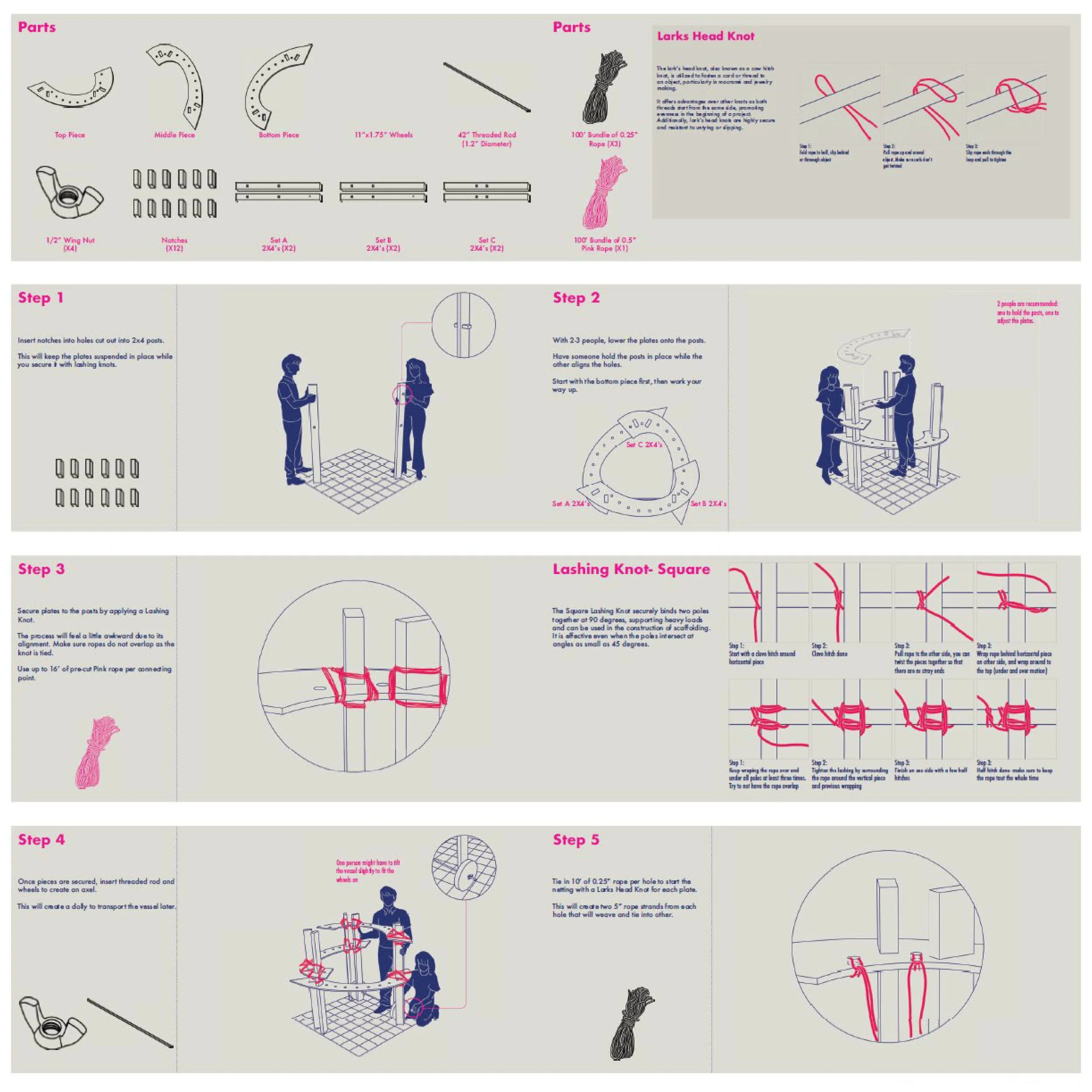
Vessel Craft - Studio - Student Work - 2023
-
![]()
Vessle Craft - Studio - Student Work - 2023
-
![]()
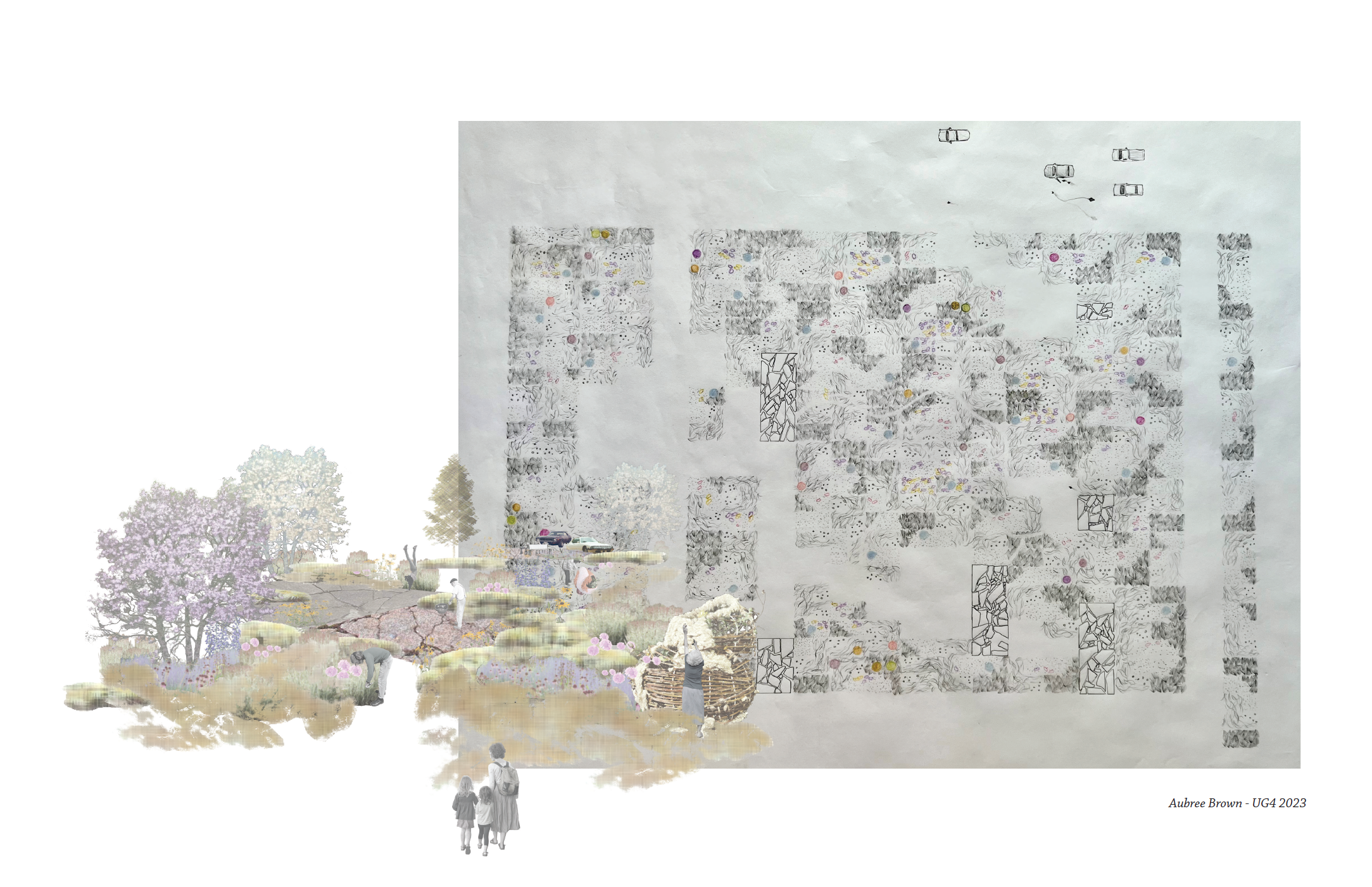
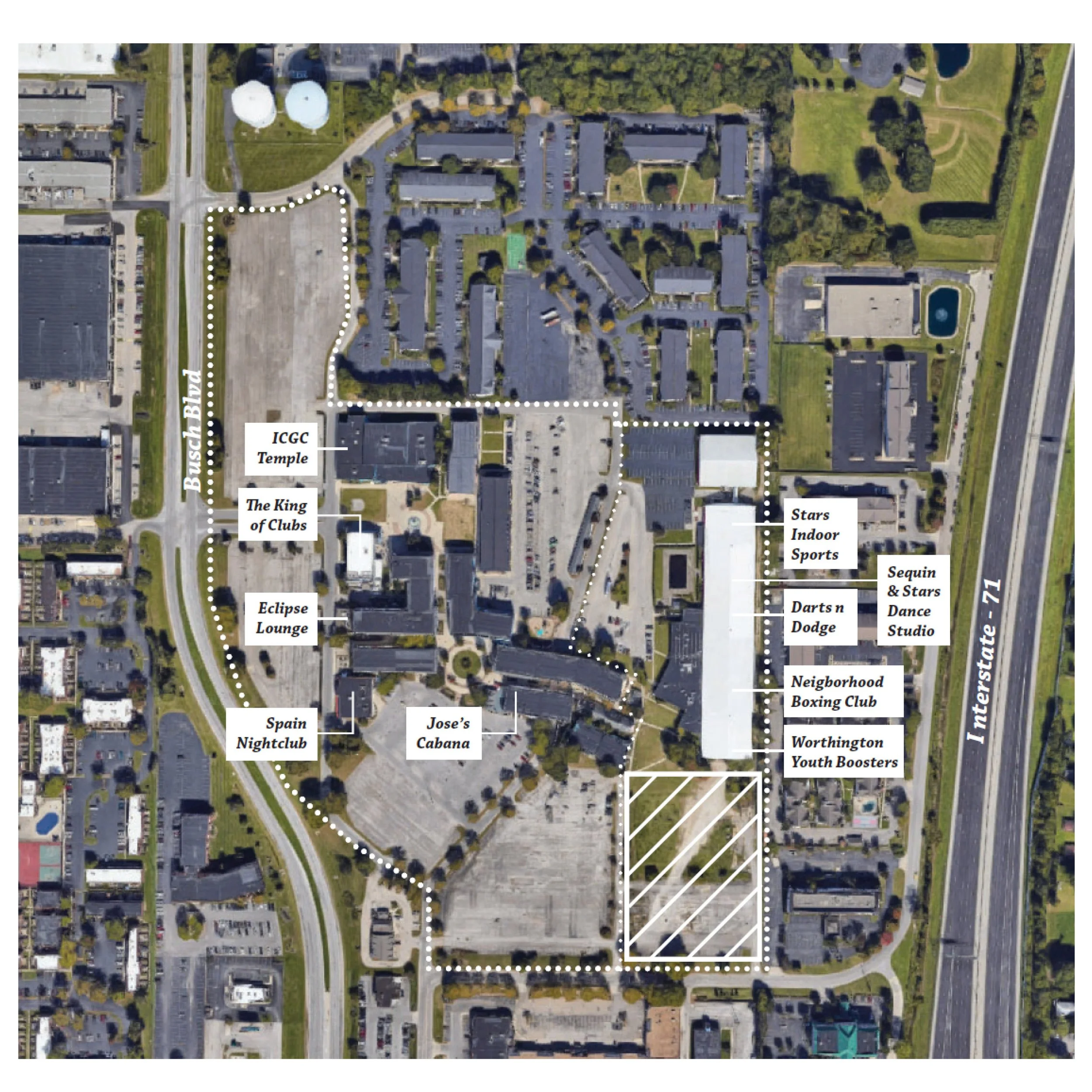
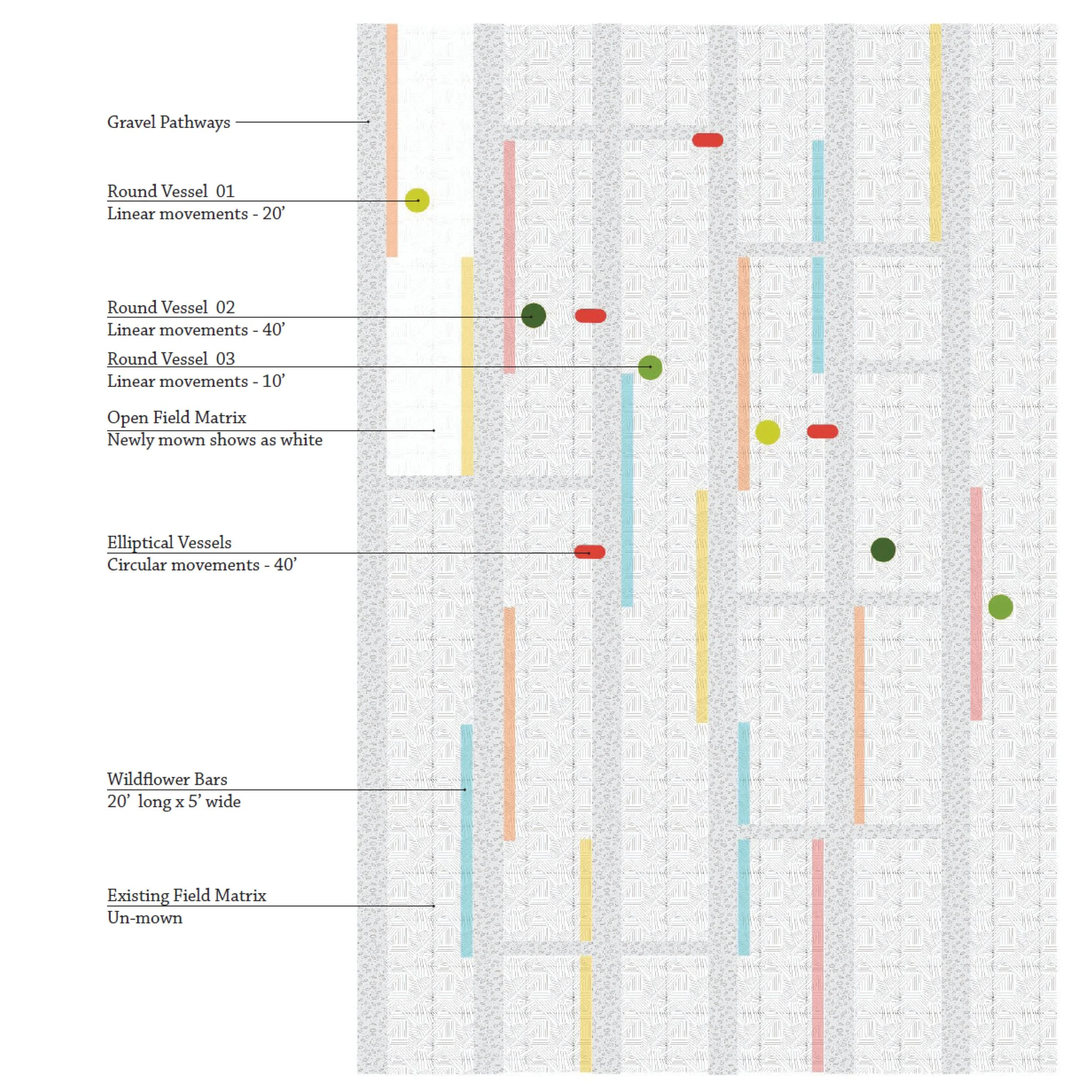
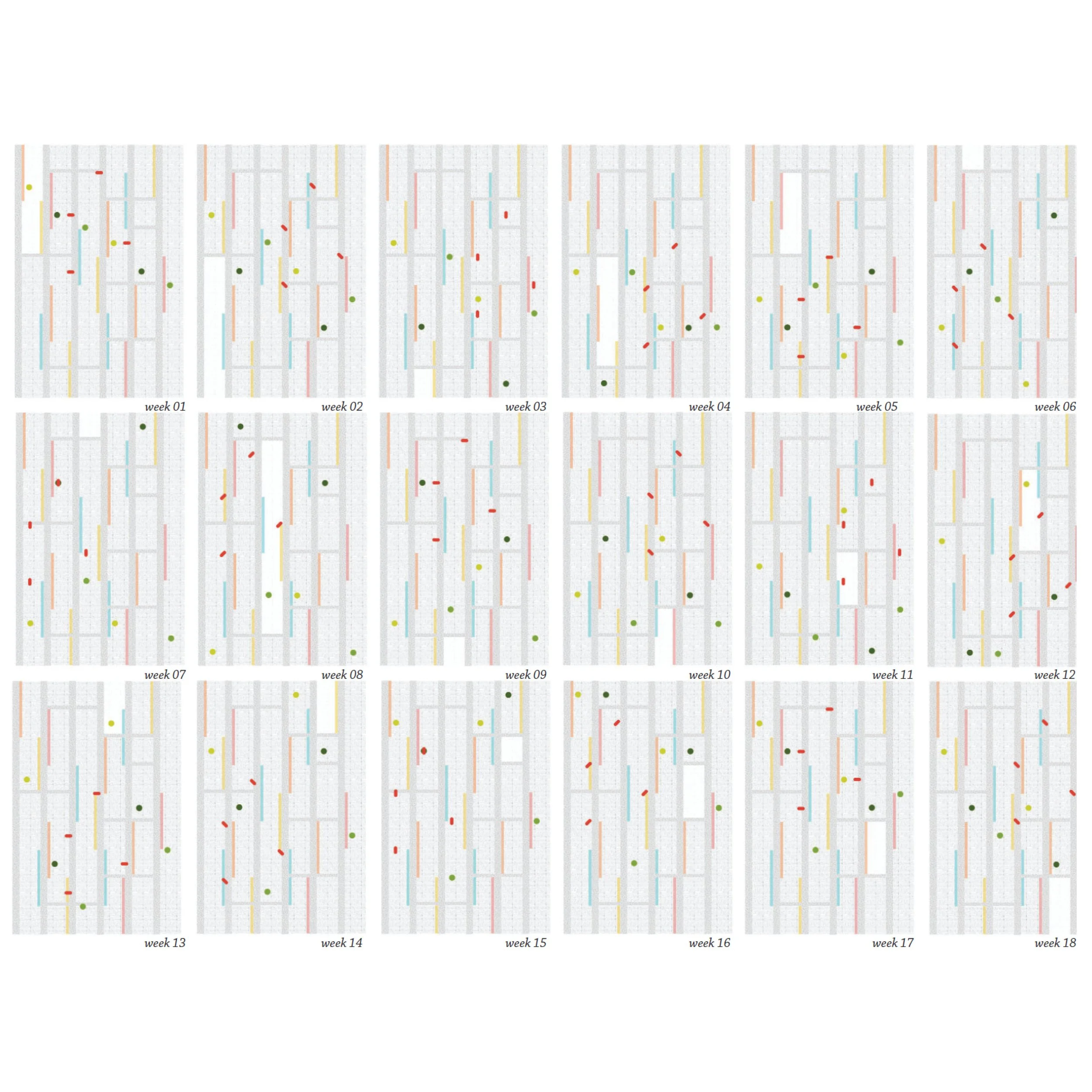
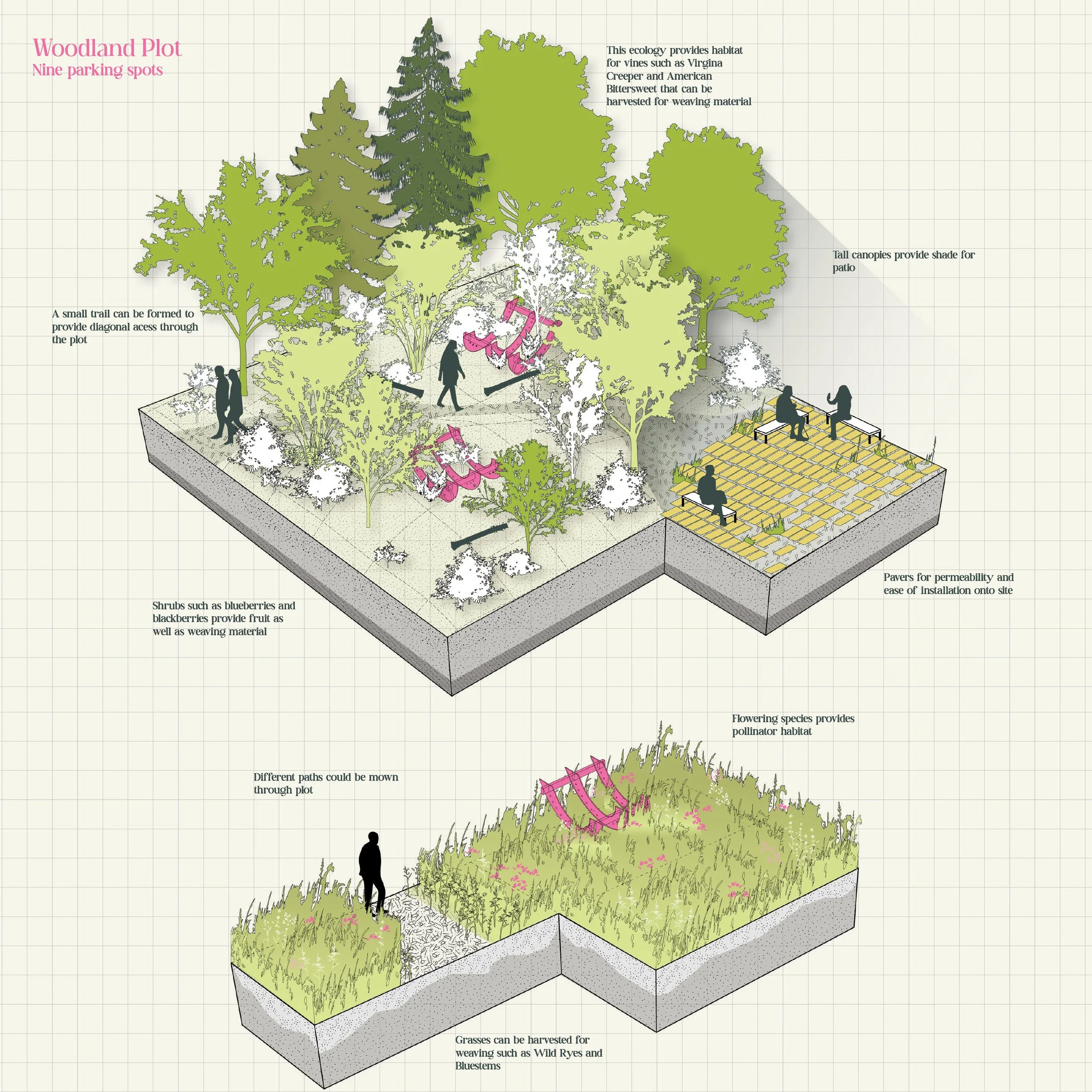
Lots of Liminality - Project Proposal - 2023
-
![]()
Lots of Liminality - Project Proposal - 2023
-
![]()
Lots of Liminality - Project Proposal - 2023
-
![]()
Vessel Craft - Studio - Student Work - 2024
-
![]()
Translate - Seminar - Student Work - 2021
to spread abroad though sowing seed
-Merriam-Webster Dictionary
Collaborate
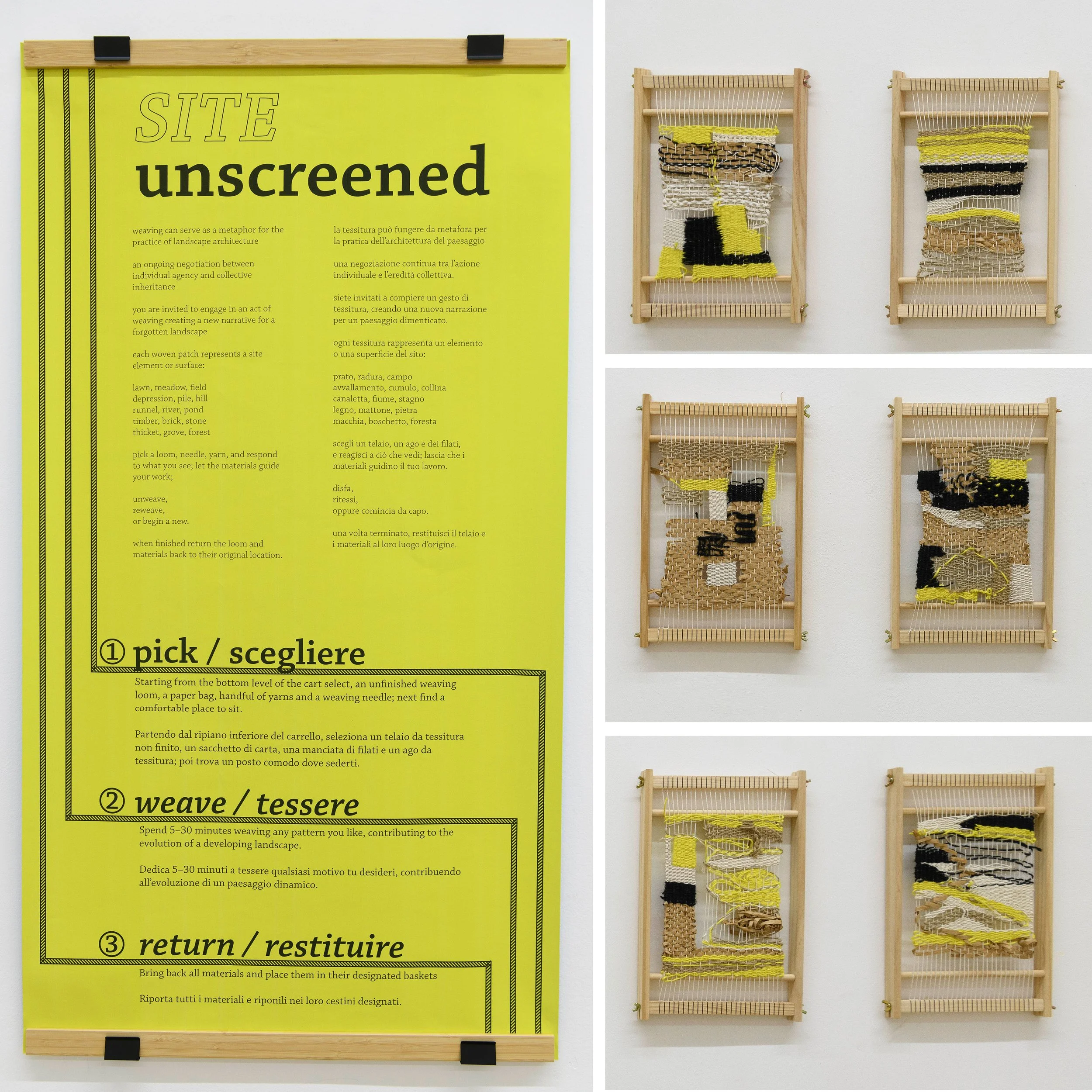
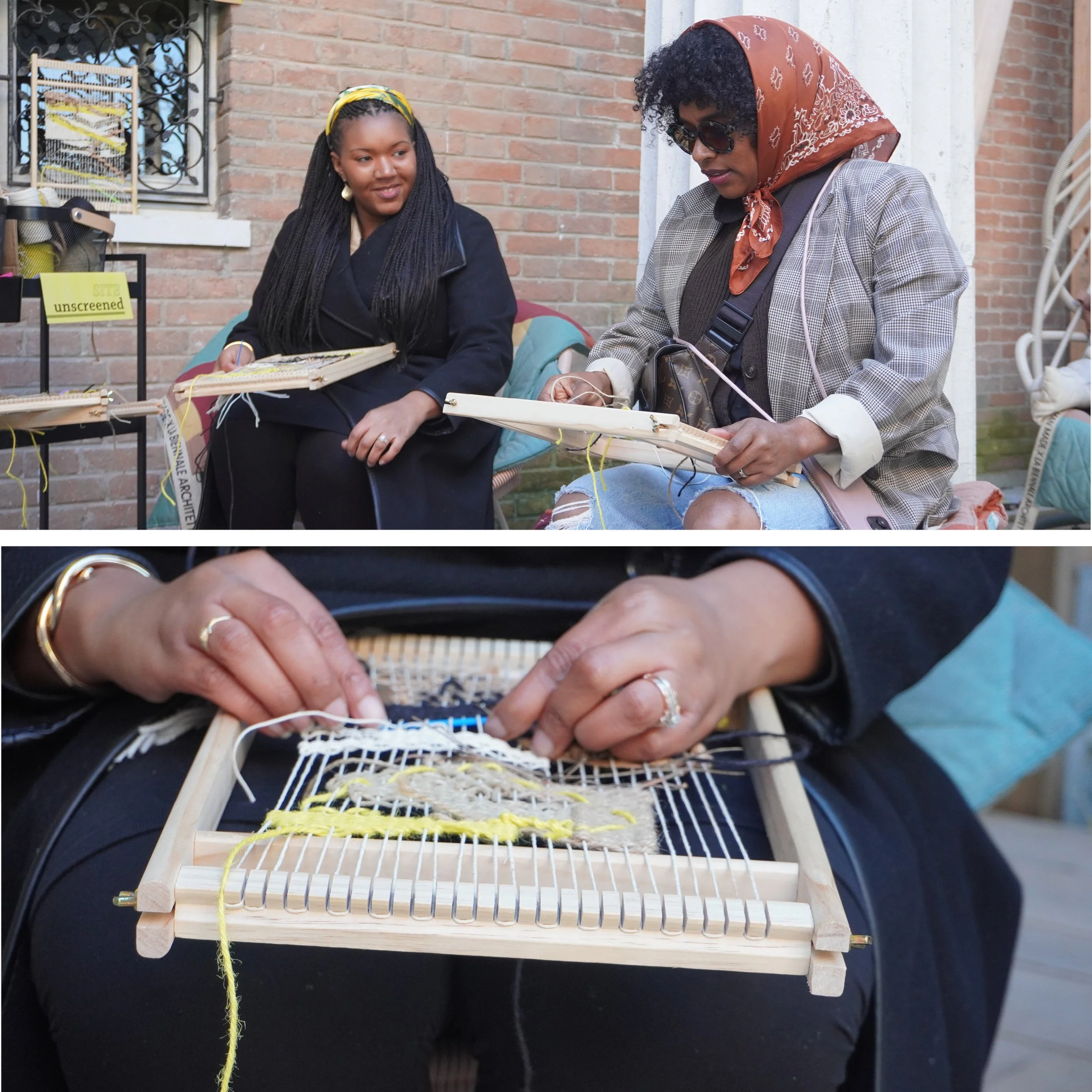
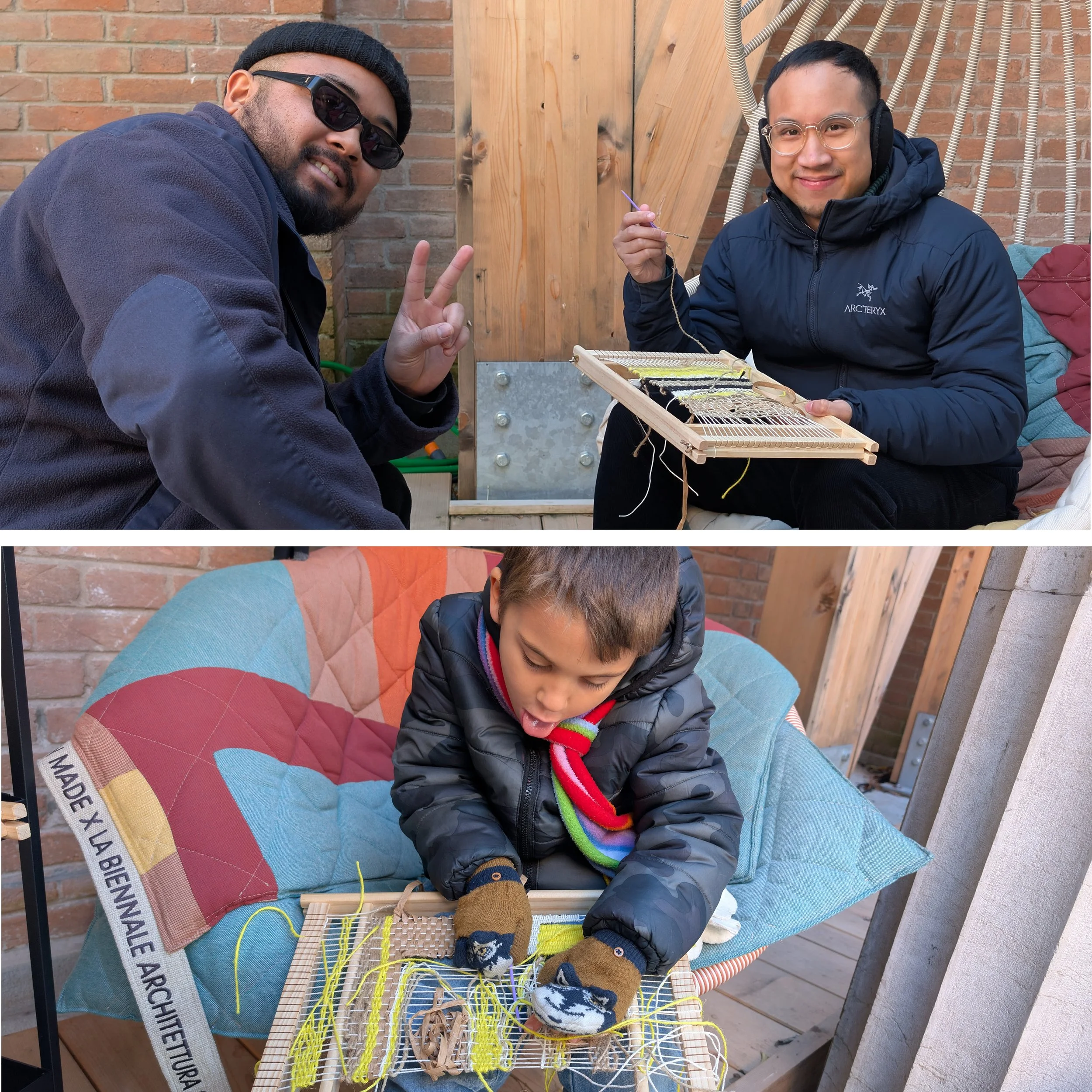
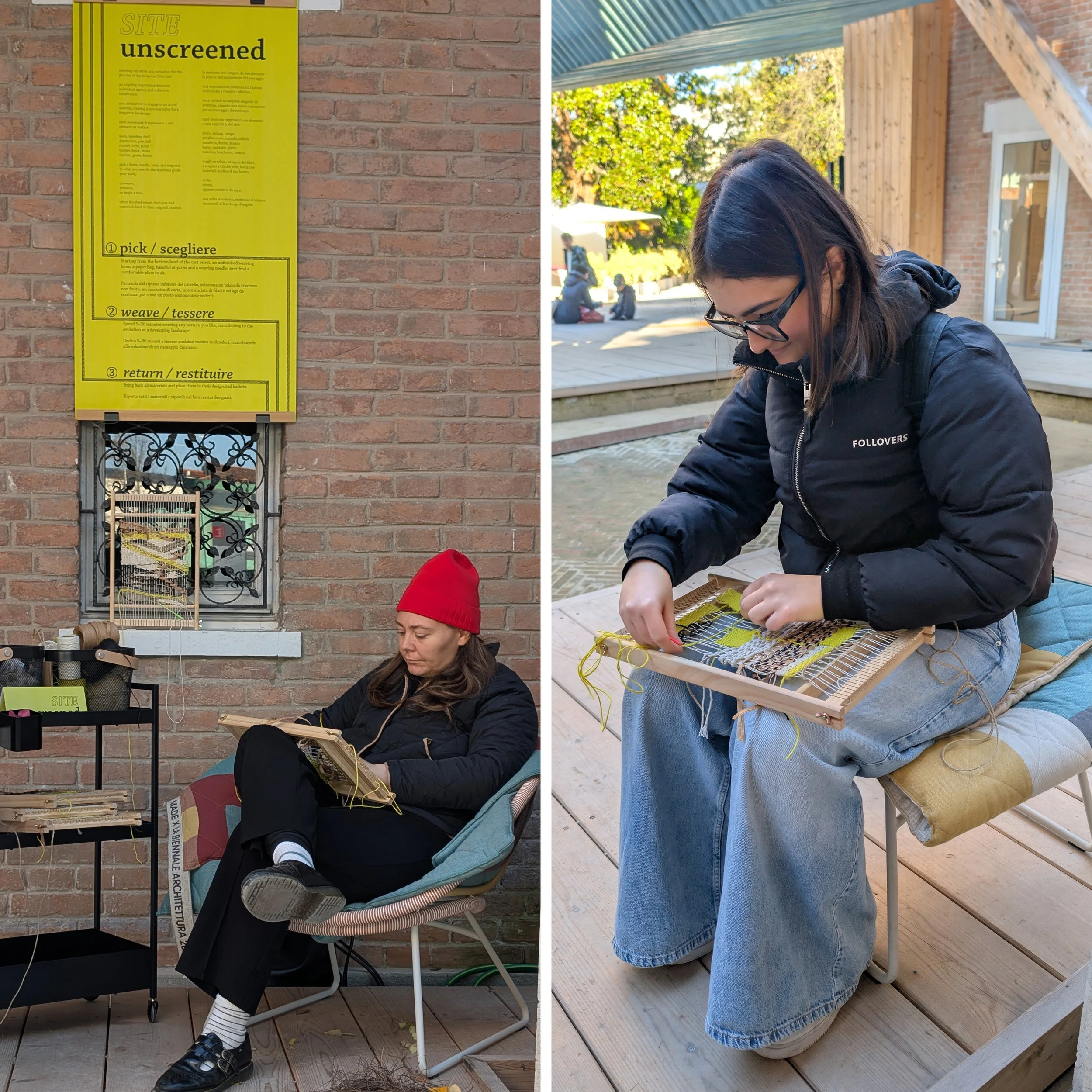
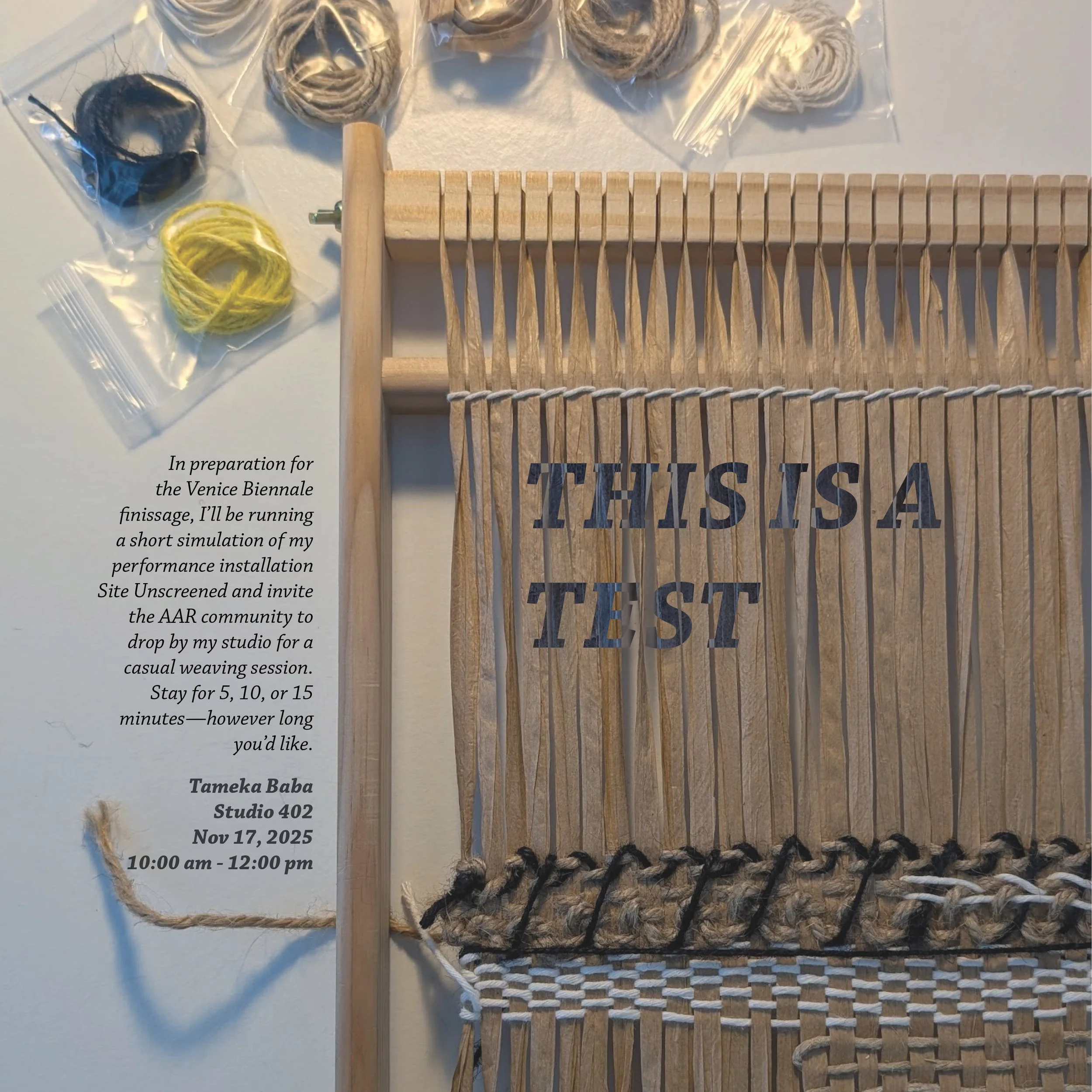
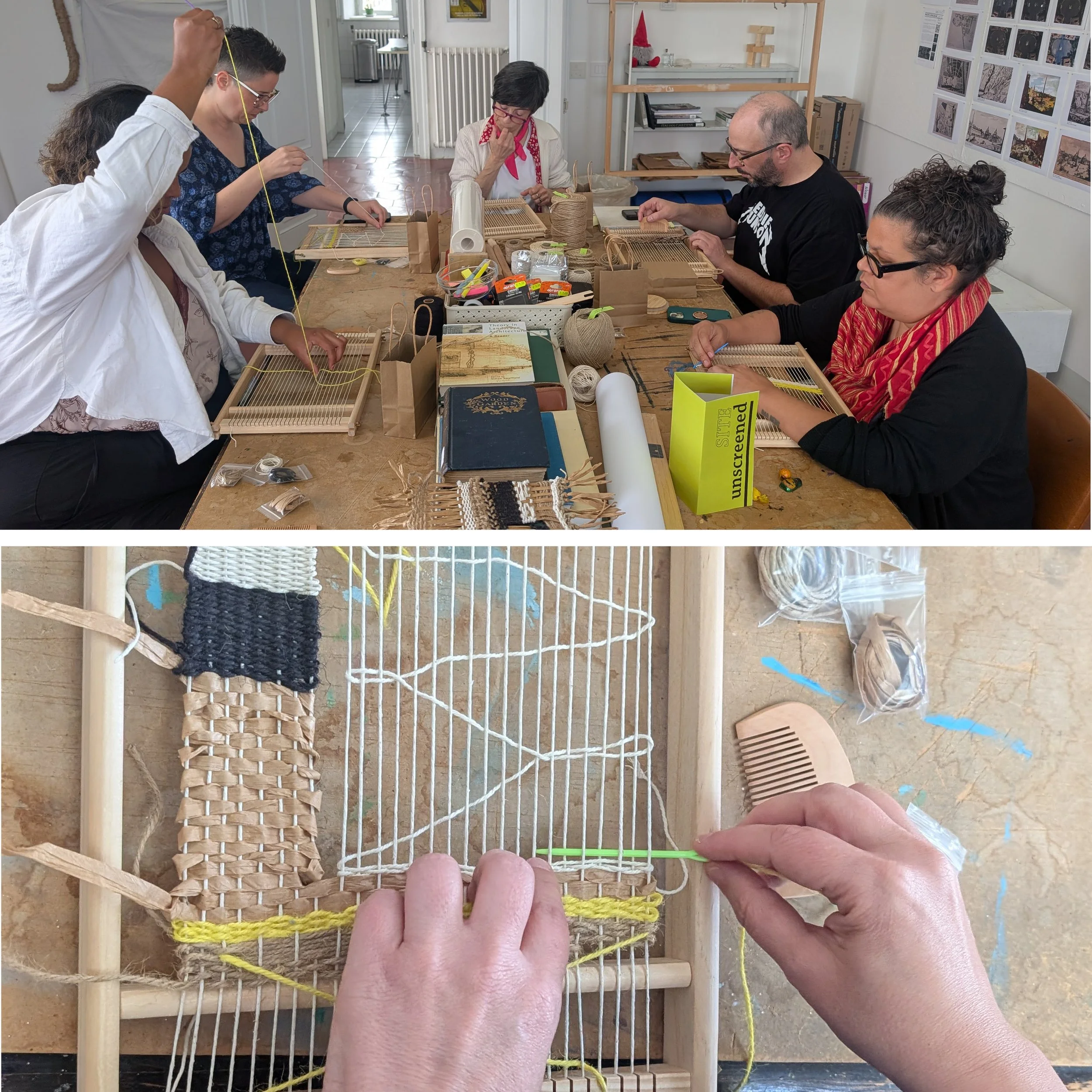
Traditional textile practices have long been rooted in diverse Indigenous and community-based cultures, where making was inseparable from gathering, storytelling, and the exchange of knowledge. This history positions textile arts as a powerful bridge between academic inquiry, professional practice, and public engagement. Their inherent flexibility allows projects to scale from intimate workshops to large collective installations while fostering an informal, welcoming environment for conversation and hands-on making.
-
![]()
Site Unscreened - Temorary Installation -Venice Architecture Biennale - 2025
-
![]()
Site Unscreened - Temorary Installation -Venice Architecture Biennale - 2025
-
![]()
Site Unscreened - Public Participation - Venice Architecture Biennale - 2025
-
![]()
Site Unscreened - Public Participation - Venice Architecture Biennale - 2025
-
![]()
This is a Test - Weaving Workshop - 2025
-
![]()
This is a Test - Weaving Workshop - 2025
-
![]()
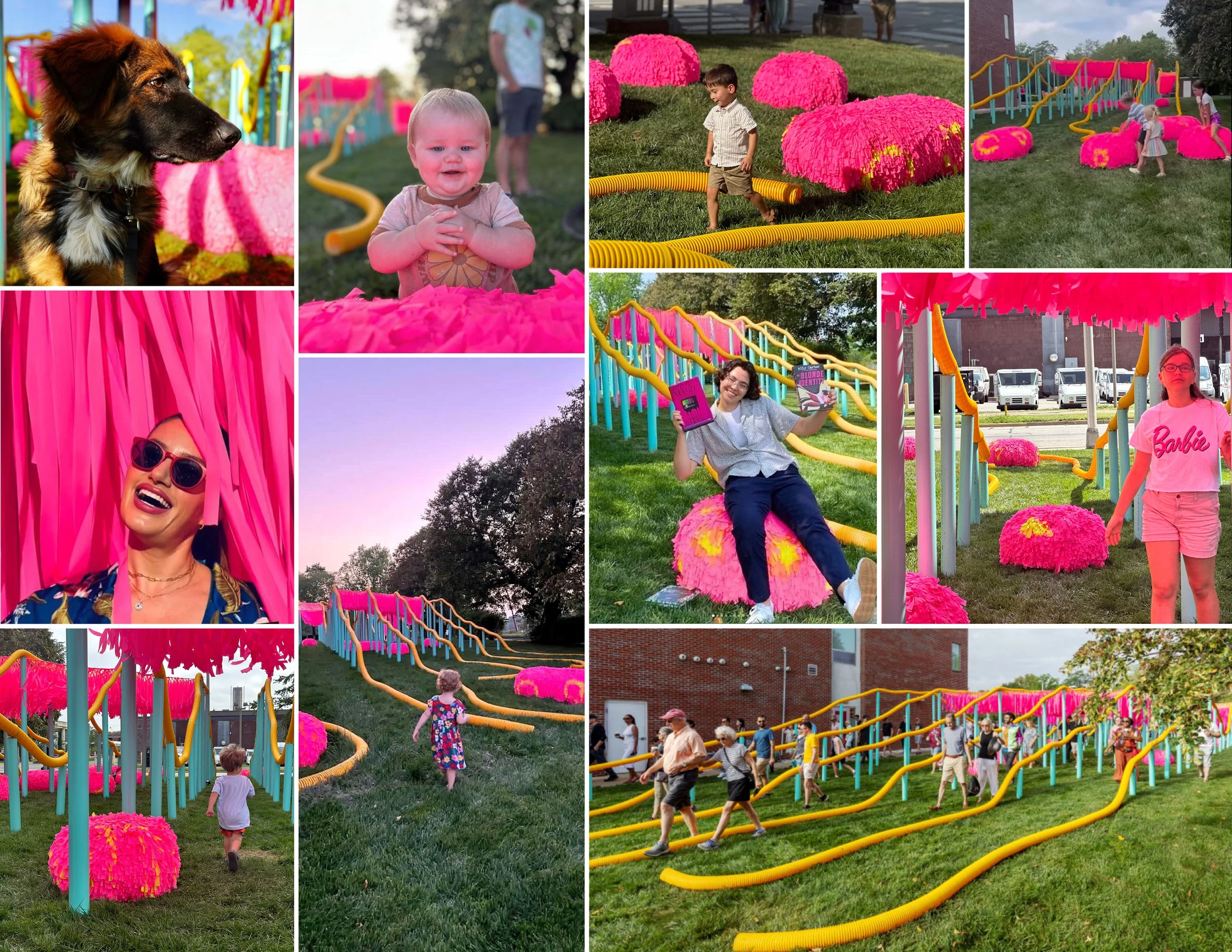
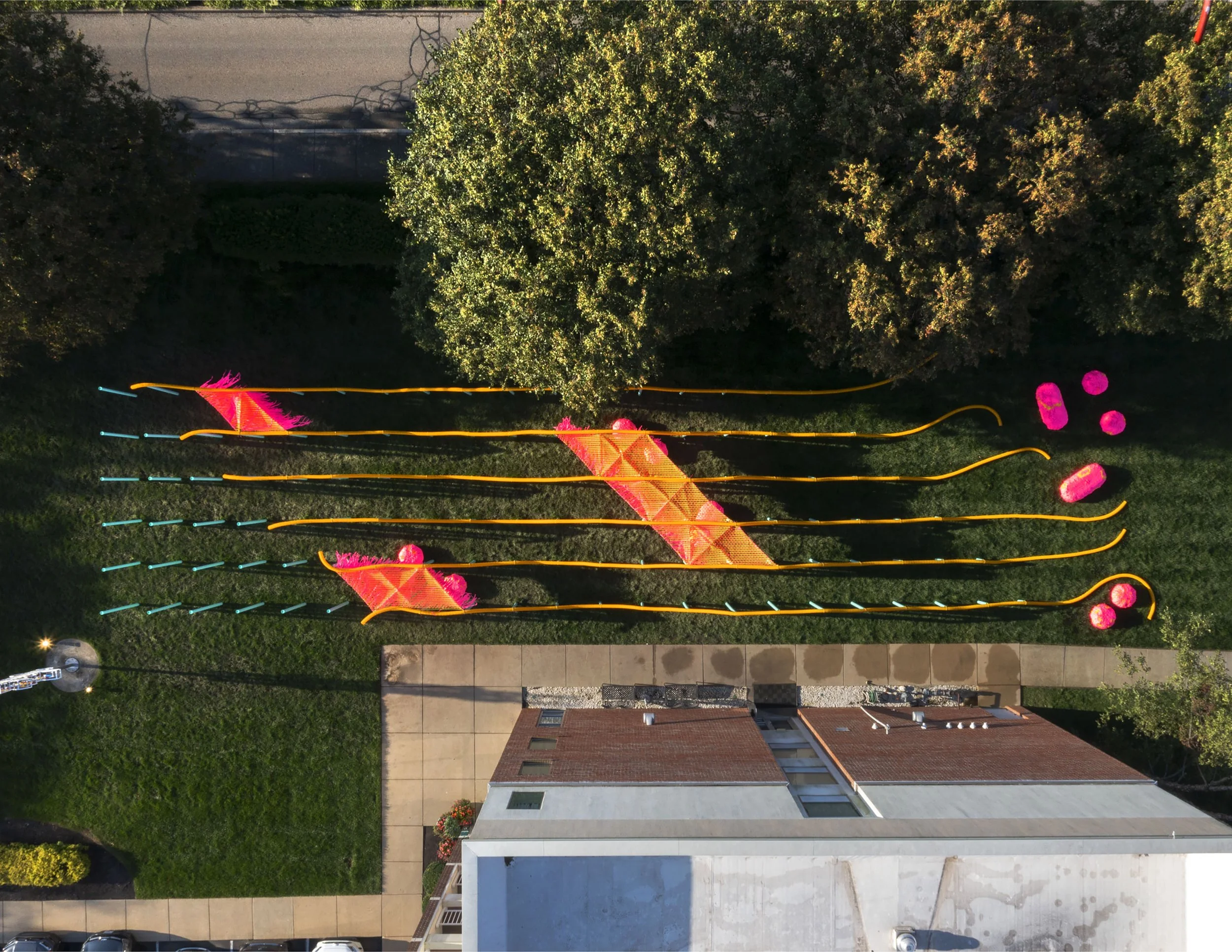
Pipe Up - BLDS Team (Tameka Baba, Forbes Lipschitz, Shelby Doyle, and HalinaSteiner)
-
![]()
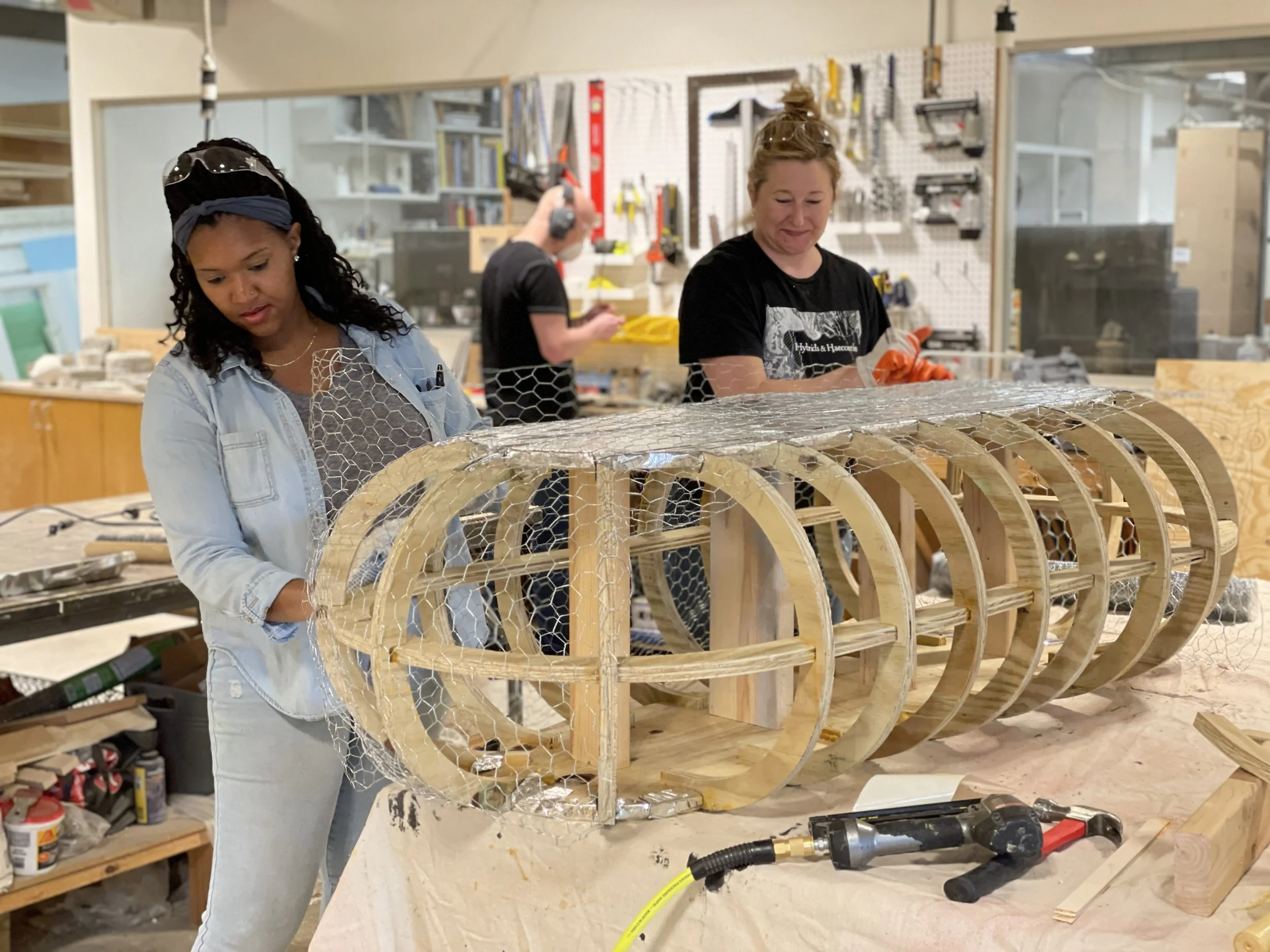
Pipe Up - Fabrication Workshop - 2023
-
![]()
Pipe Up - Pouf Party - 2023
-
![]()
Pipe Up - Fabrication Workshop - High School Design Studio - 2023
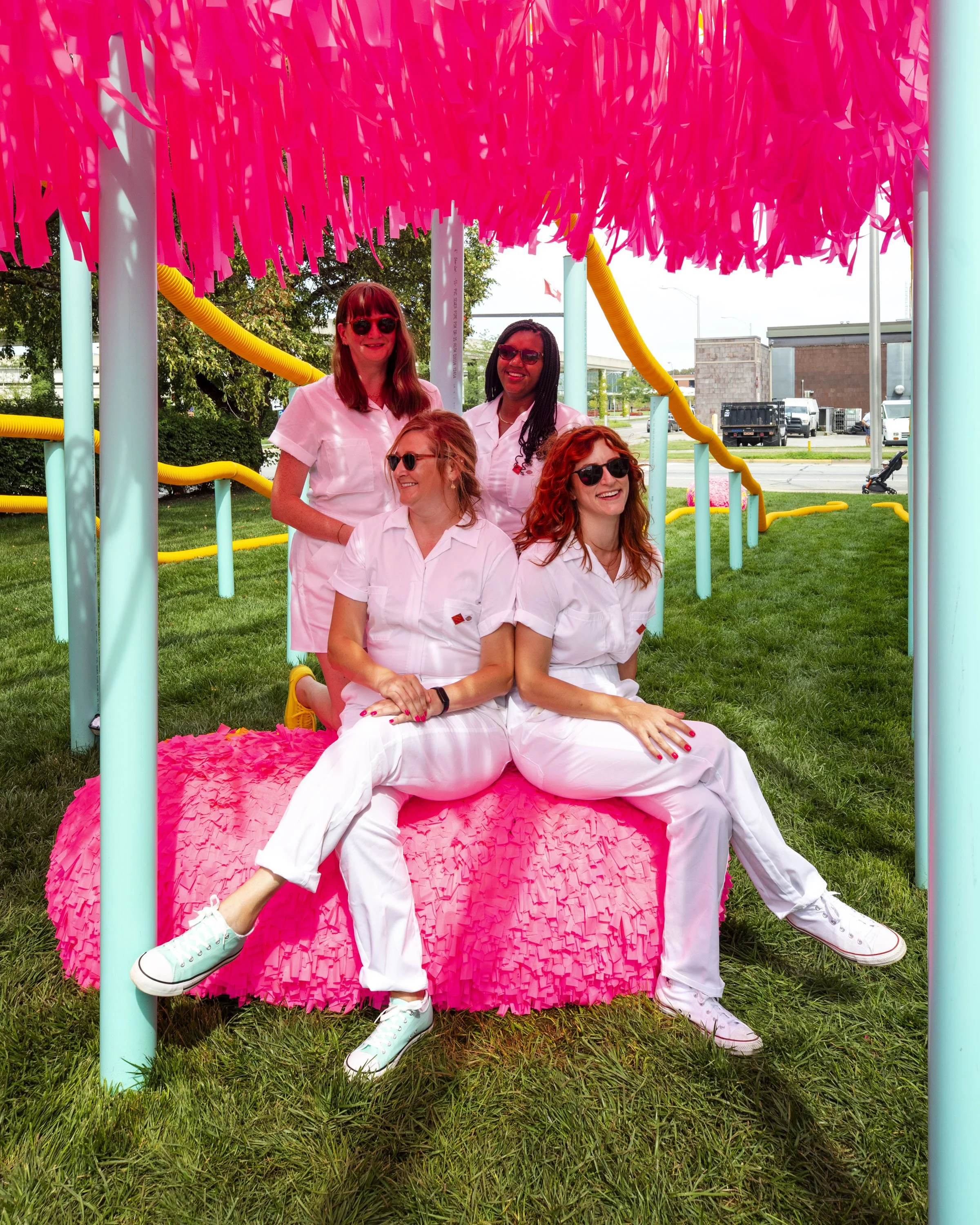
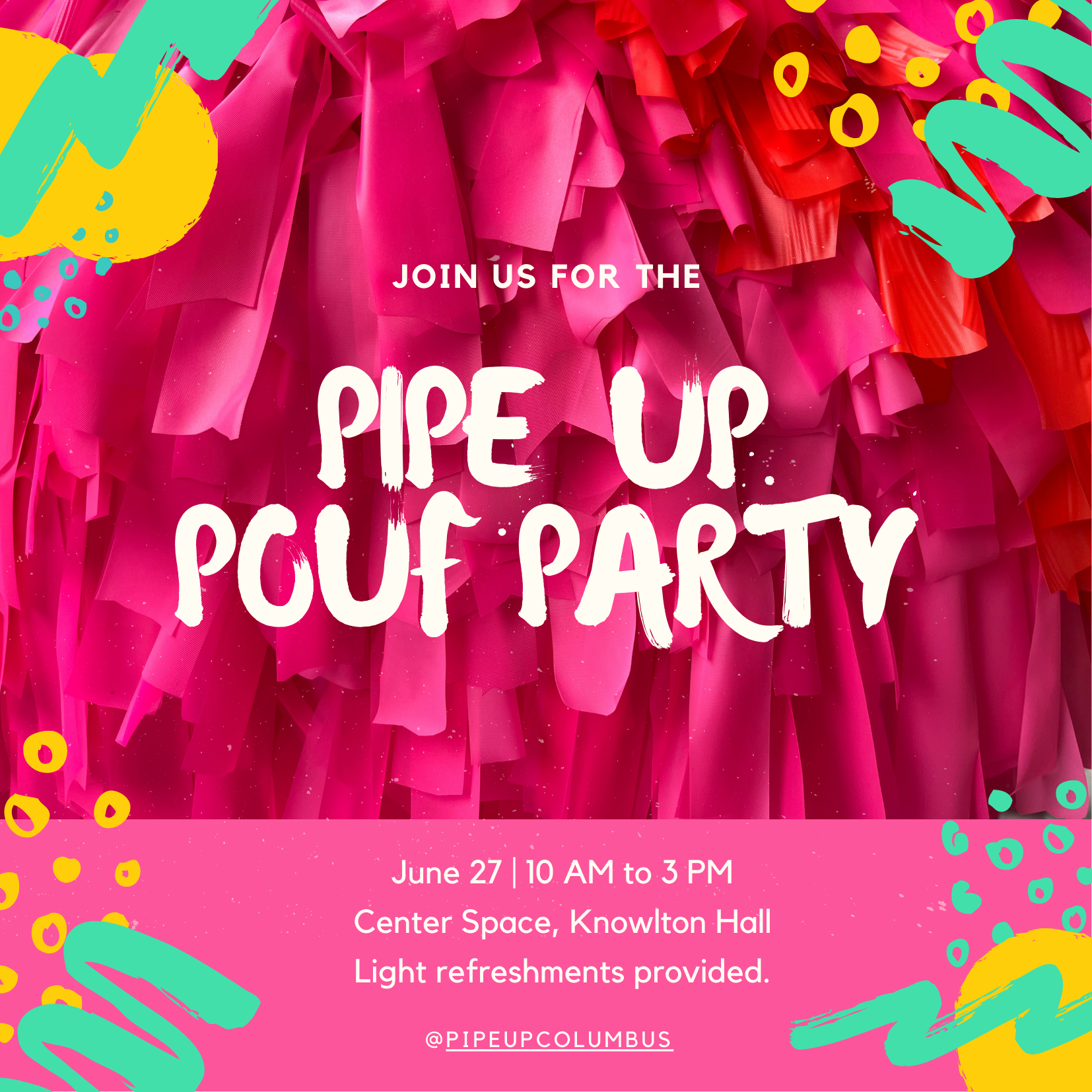
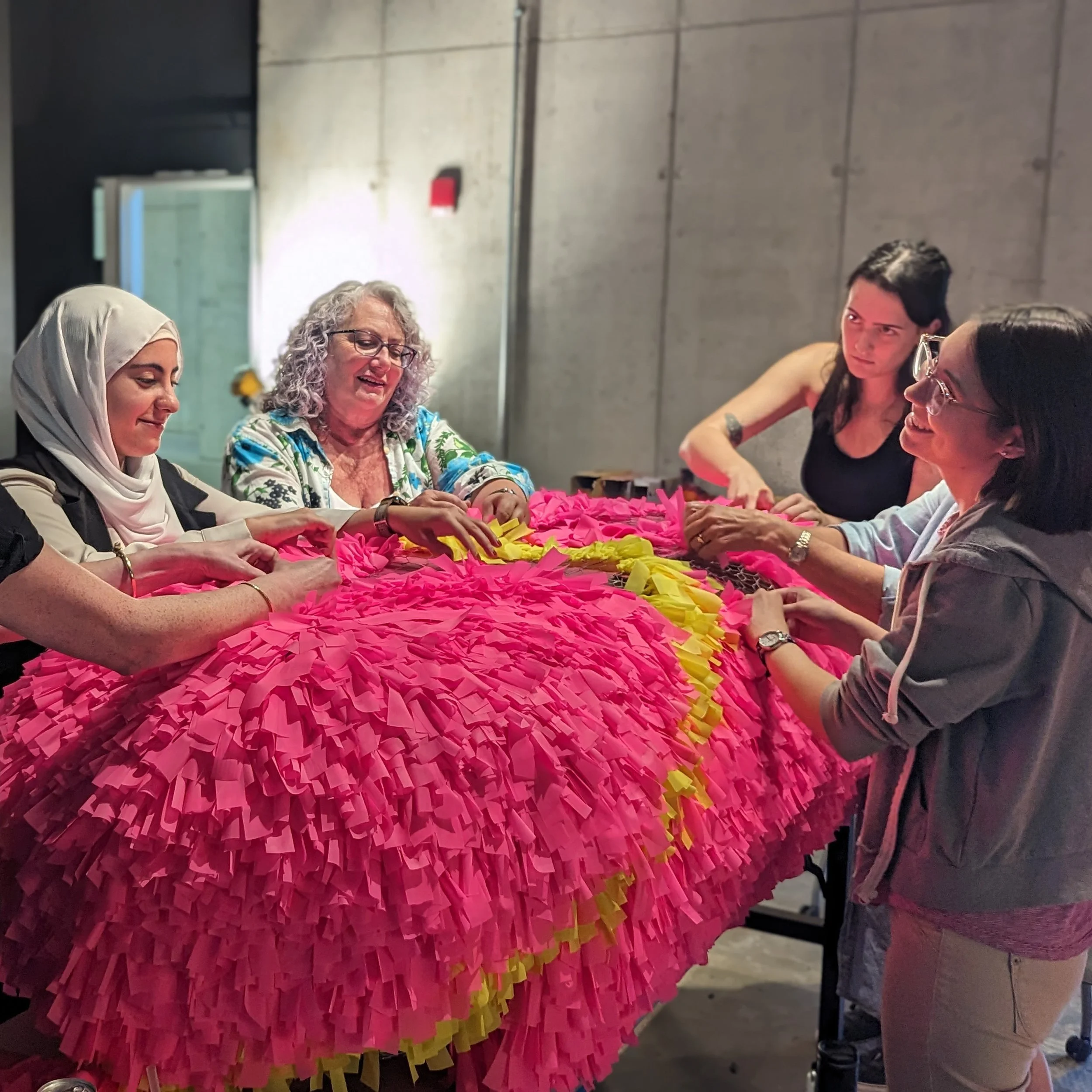
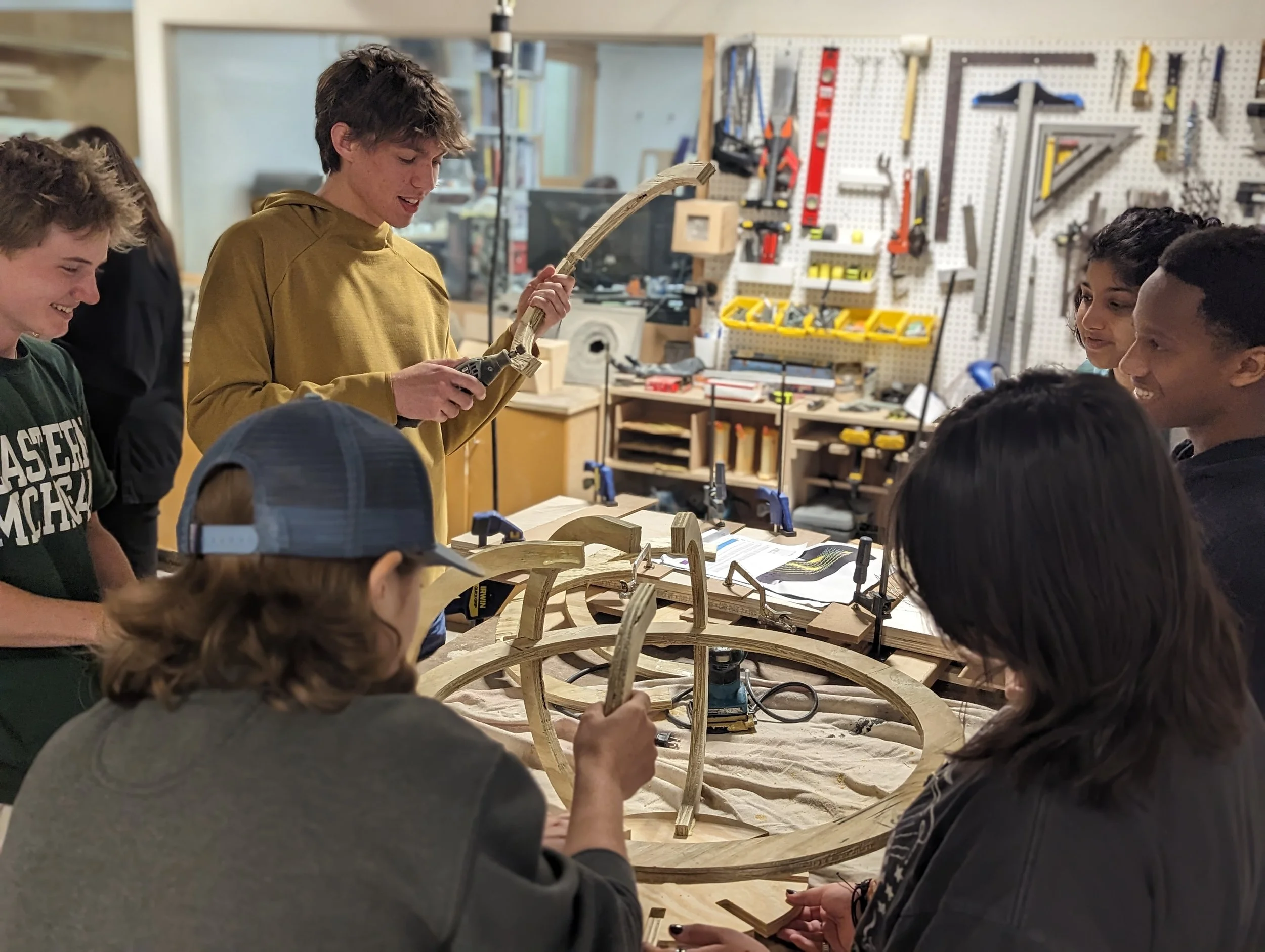
to to bring into existence by means of a defined process
-Merriam-Webster Dictionary
Generate
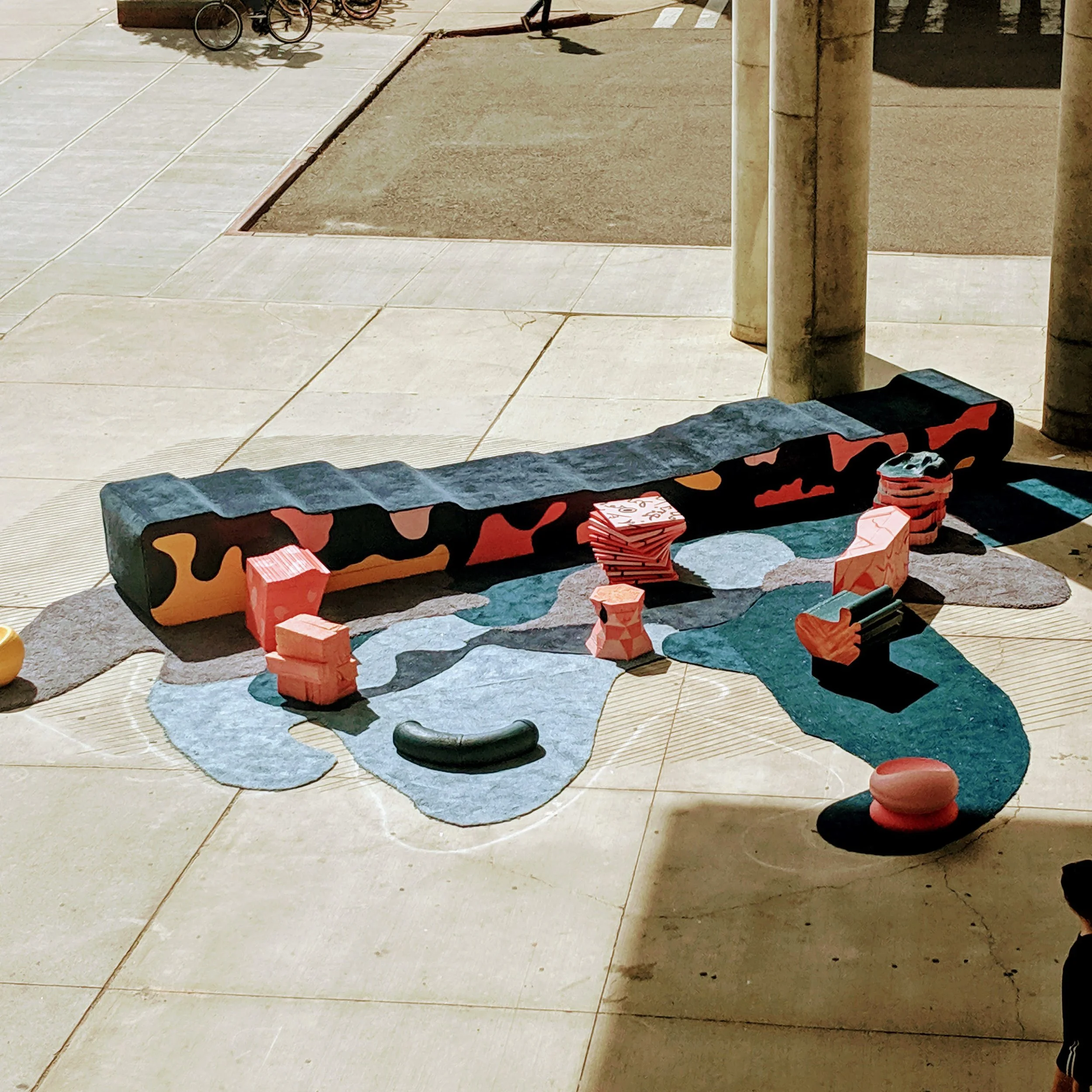
Through a deliberate sequence of experiments, prototypes, and collective acts of fabrication, The Lab produces interactive installations that temporarily inhabit public space, inviting people to question how these environments are designed, experienced, and cared for. The work unfolds through a practice of slow generation, where each thread, weave, and repair accumulates into a larger whole. In contrast to the accelerated pace of contemporary design culture, this process values patience, repetition, and material attention—allowing ideas to emerge through the act of making itself. By embracing slowness as both a methodology and an ethic, the Lab cultivates projects that are richer in meaning, more responsive to place, and grounded in collective participation.
-
![]()
Pipe Up - Exhibit Columbus - BLDS - 2023
-
![]()
Pipe Up - Exhibit Columbus - BLDS - 2023
-
![]()
Pipe Up - Pouf Fabrication - BLDS - 2023
-
![]()
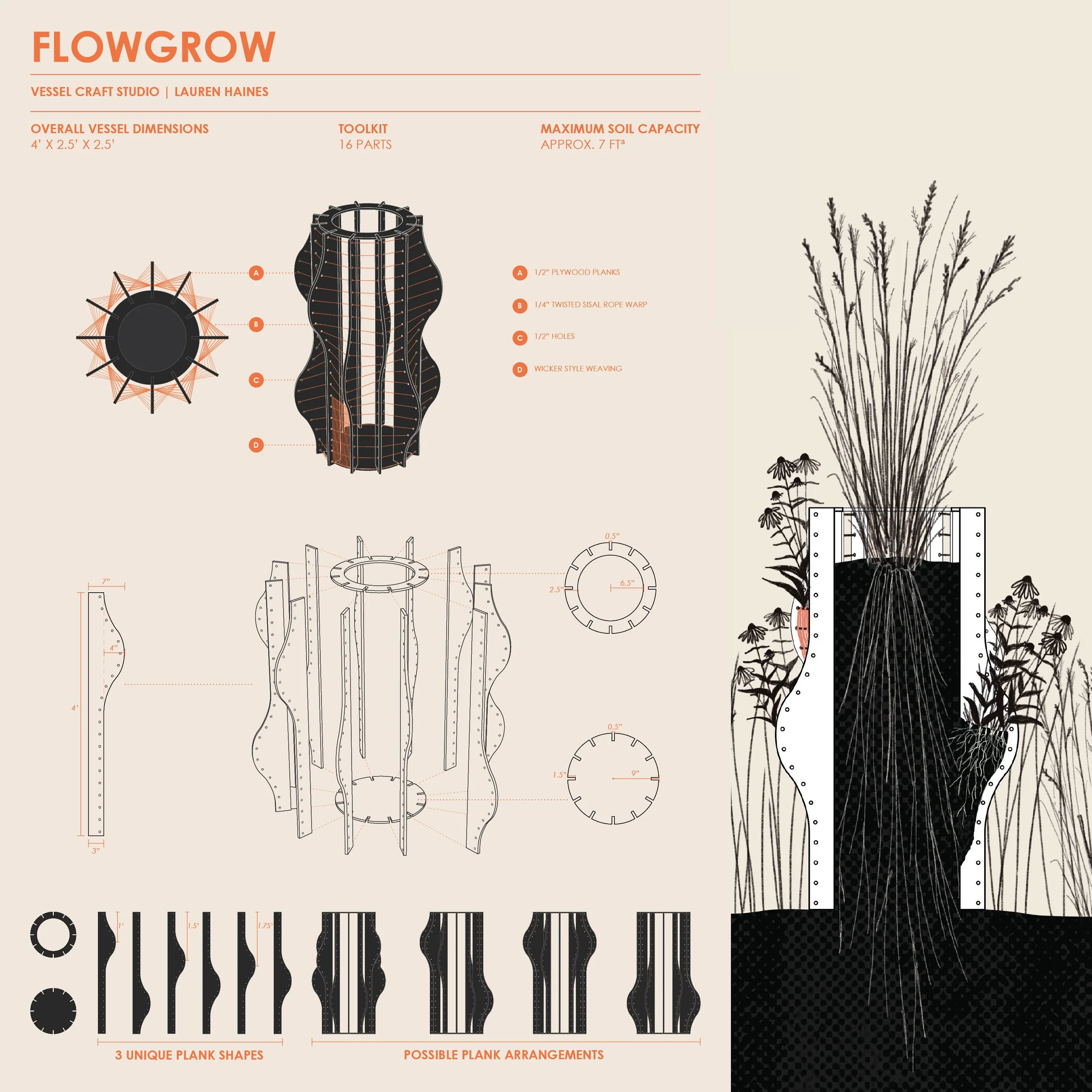
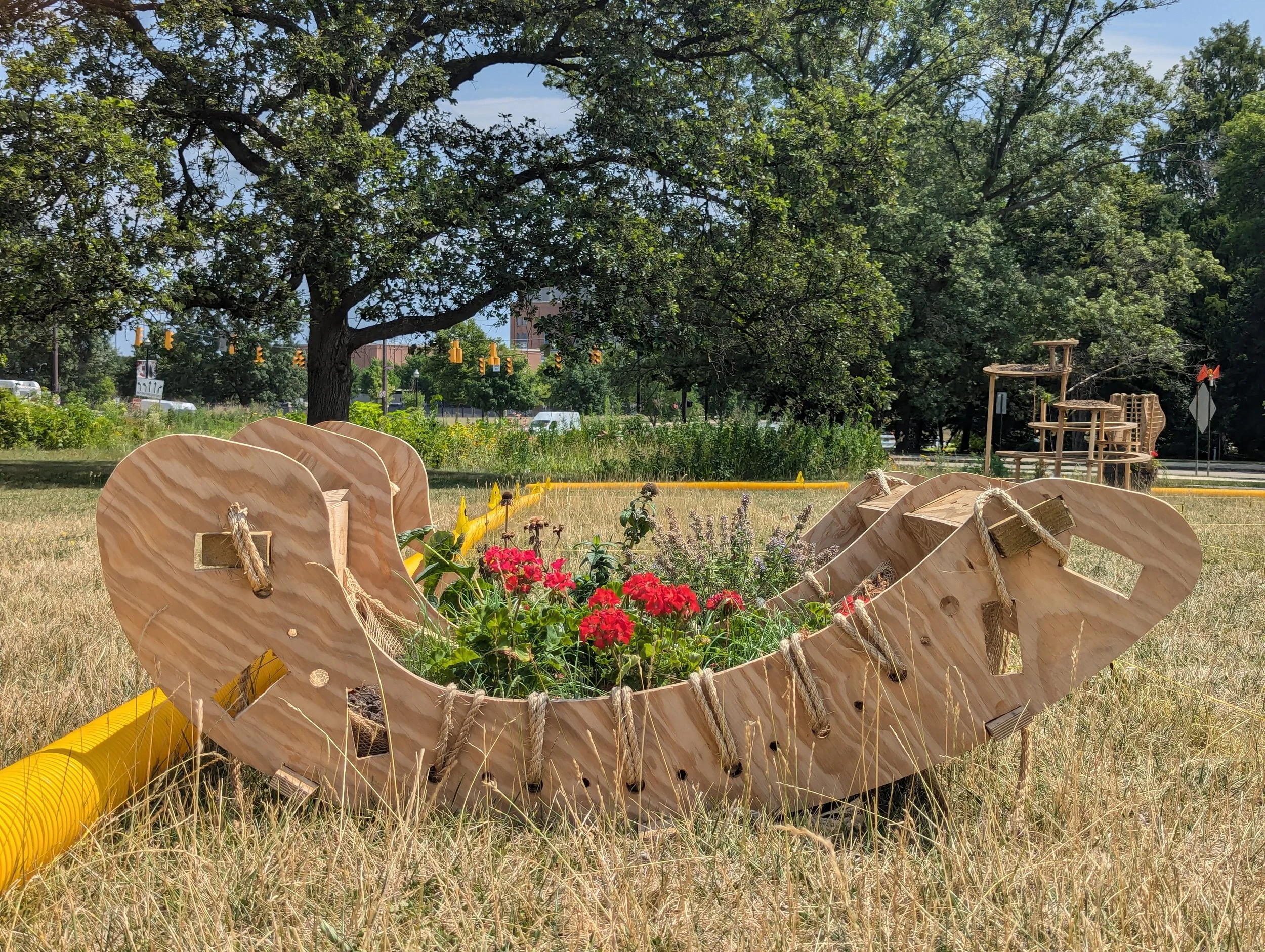
Vessel Craft - Student Work - 2024
-
![]()
Vessel Craft - On Site - 2024
-
![]()
Vessel Craft - Student Work - 2024
-
![]()
Vessel Craft - Student Work - 2024
-
![]()
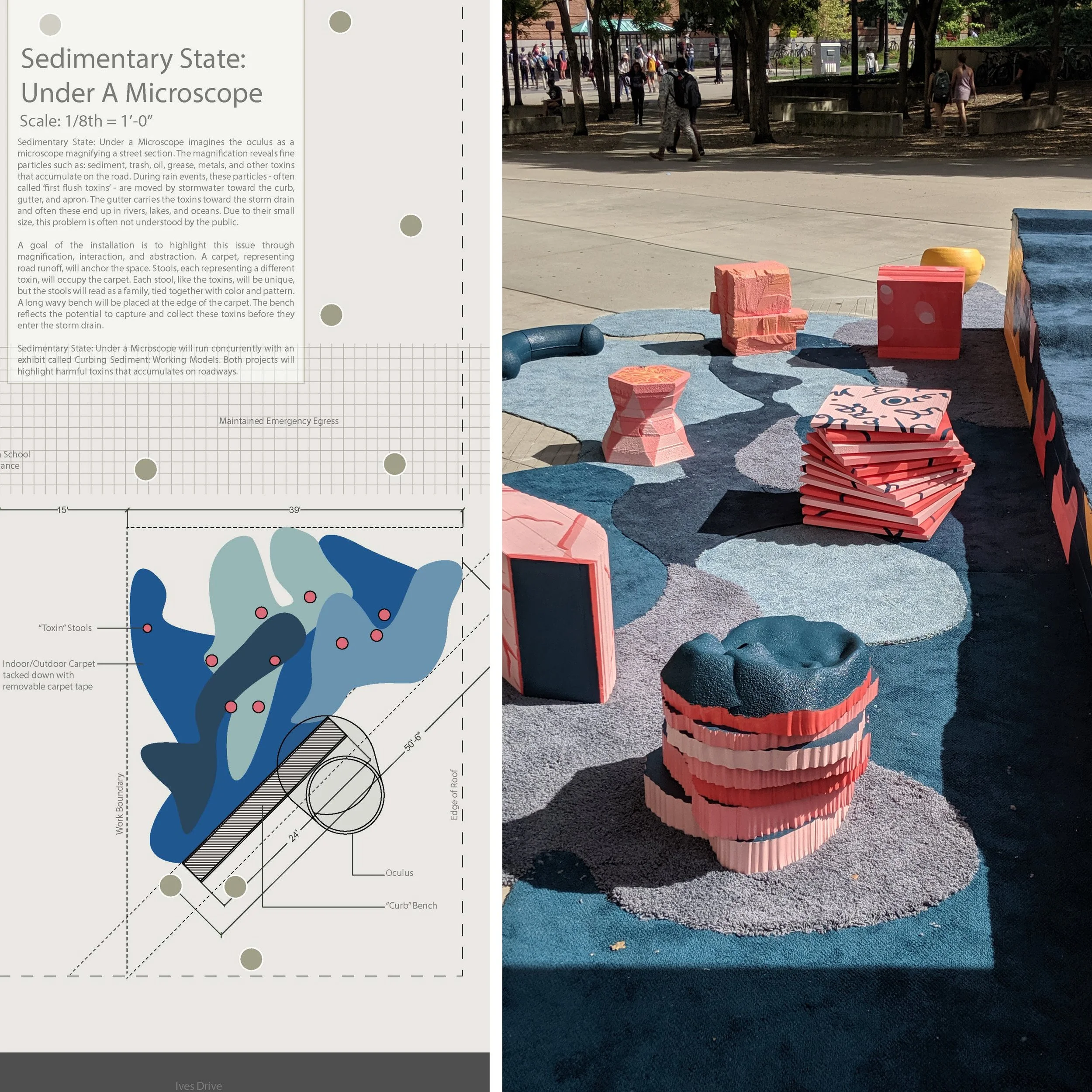
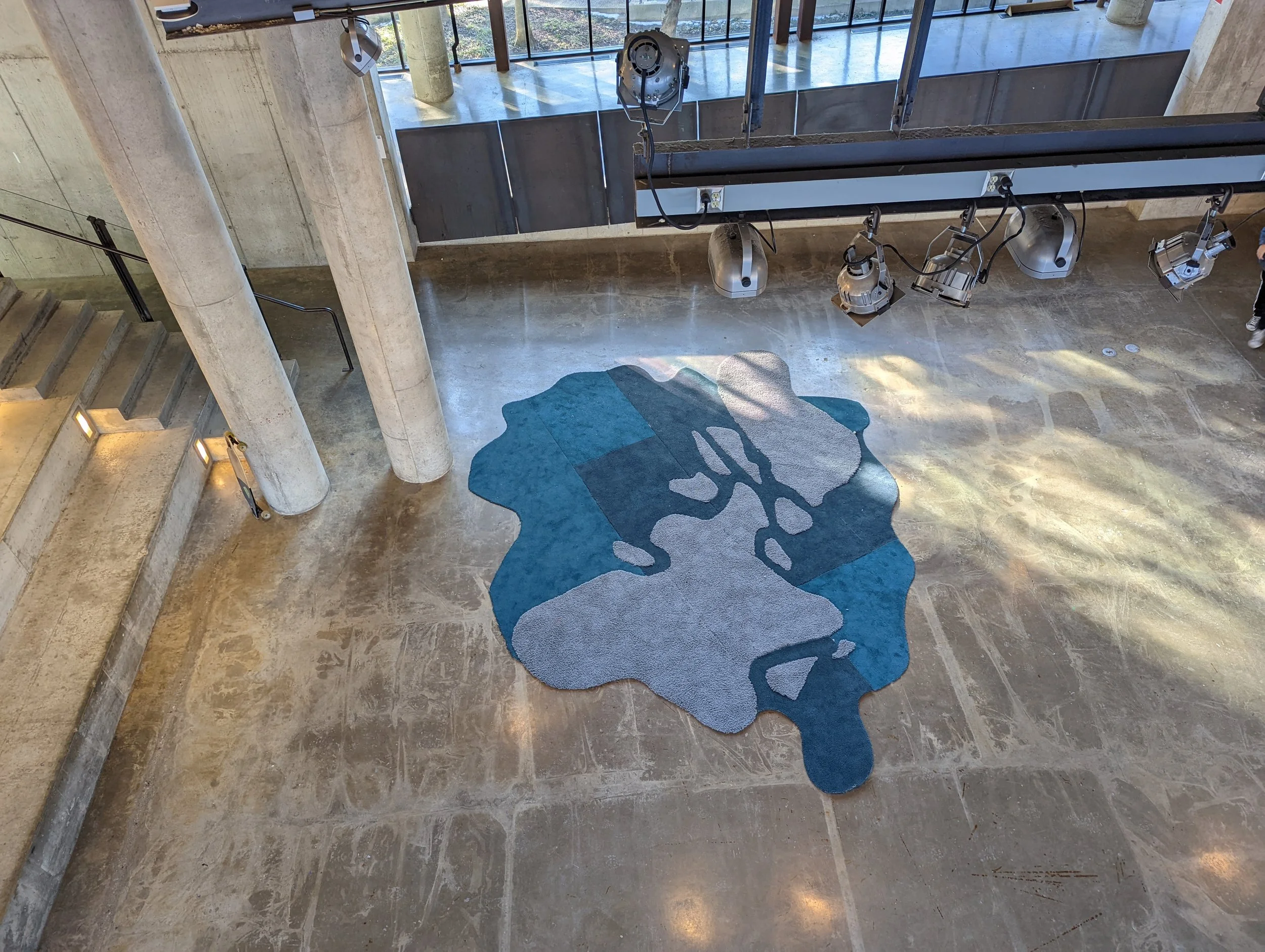
Carpet Puddle - Sedimentary State - with Halina Steiner - 2019
-
![]()
Carpet Puddle - Sedimentary State - with Halina Steiner - 2019
-
![]()
Carpet Puddle - Fabricated Landscapes Exhibit - 2021